Human Foods Dogs Can and Can't Eat: A Quick Reference
A quick, practical guide to which human foods dogs can eat safely and which are dangerous, plus exactly what to do if your dog eats something toxic.
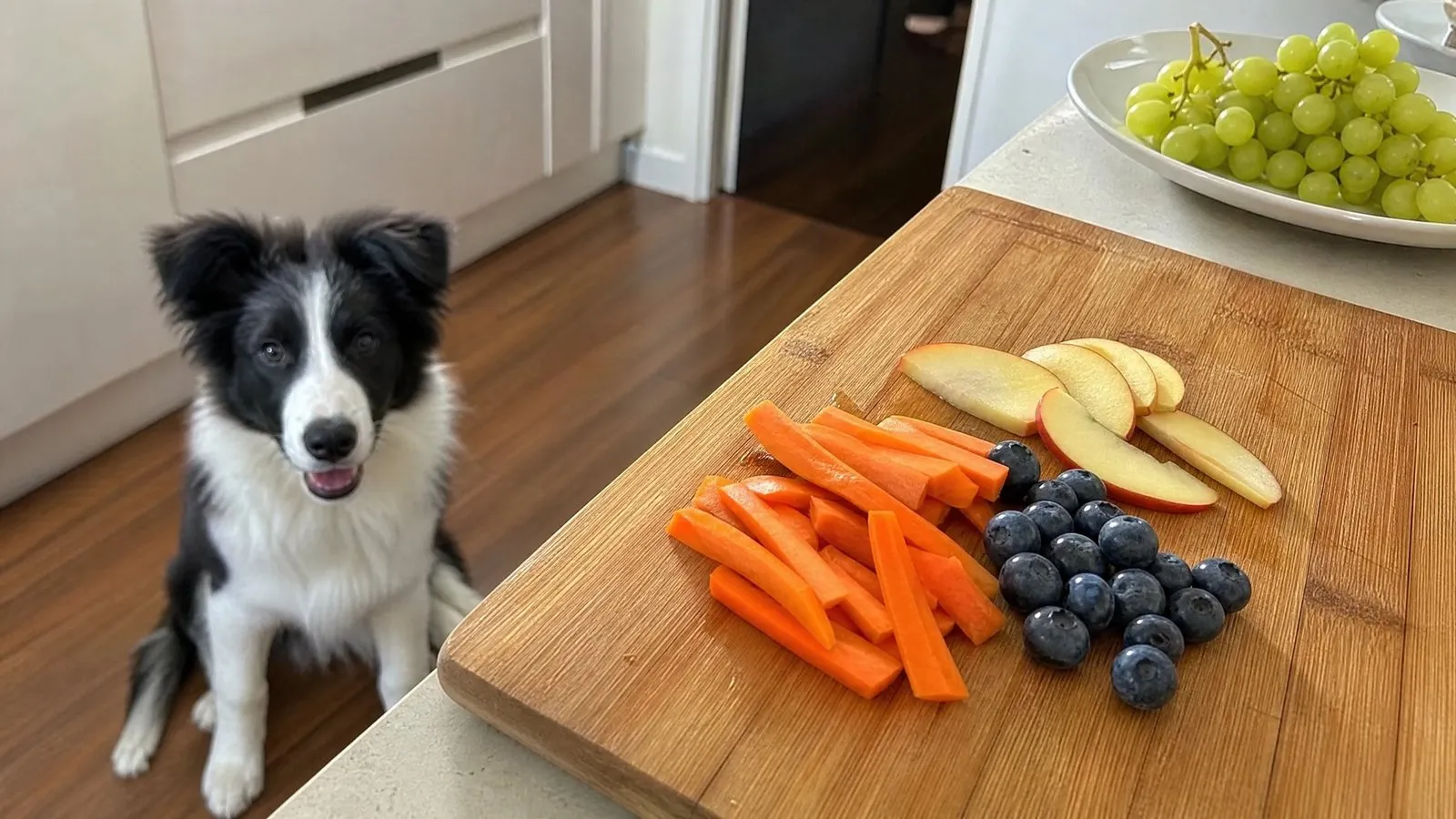
Keep it simple: when in doubt, don’t share it. Many everyday human foods are fine for dogs in small amounts, but a short list is genuinely dangerous even in tiny quantities. If your dog eats something on the dangerous list, call your vet or an animal poison control line right away.
Below are two quick-reference tables you can scan in seconds, followed by prep notes and exactly what to do in an emergency. Treats and table scraps should make up no more than about 10% of your dog’s daily calories, according to guidance echoed by groups like the American Animal Hospital Association (AAHA). The rest should come from a complete and balanced diet.
Safe in moderation
These foods are generally safe for healthy dogs when prepared properly and given in small amounts. “Moderation” matters: even safe foods can cause an upset stomach if your dog eats a lot, and rich or fatty foods can trigger more serious problems.
| Food | How to prepare | Notes |
|---|---|---|
| Carrots | Raw sticks or cooked, no seasoning | Great low-calorie crunchy treat; cut to size to avoid choking |
| Apple | Remove core and seeds, slice | Seeds contain cyanide compounds; flesh is fine |
| Blueberries | Whole, rinsed | Handy small training treat |
| Banana | Small slices | High in sugar, so keep portions tiny |
| Plain cooked chicken or turkey | Boneless, skinless, unseasoned | No garlic, onion, or heavy salt |
| Plain cooked lean beef | No seasoning, drain fat | Avoid fatty cuts |
| Cooked eggs | Fully cooked, plain | Good protein; skip the butter and salt |
| Plain cooked rice or pasta | No sauce | Often recommended for bland diets during recovery |
| Pumpkin (plain) | Canned pure pumpkin, not pie filling | Can help with mild digestive upsets |
| Green beans | Plain, cooked or raw | Filling, low-calorie |
| Cucumber | Sliced | Hydrating, very low calorie |
| Watermelon | Seedless, no rind | Remove seeds and rind first |
| Plain peanut butter | Small amount, lick only | Must be xylitol-free—check the label |
| Plain yogurt or cheese | Small amounts | Many dogs are sensitive to dairy; go easy |
| Cooked plain sweet potato | No seasoning, no skin if tough | Fiber-rich; serve in small pieces |
A few general rules for everything in this table:
- Introduce one new food at a time and in a small amount, so you can spot any stomach upset.
- Skip the extras. Butter, oil, salt, sugar, and sauces are where most problems start.
- Cut to the right size for your dog to prevent choking, especially for puppies.
- Go lighter if your dog has a sensitive stomach, is overweight, or has a health condition. Ask your vet first.
If you’re working out how treats fit into your dog’s overall intake, our guide on how much to feed a puppy and the puppy food calculator can help you keep the numbers in check.
Dangerous: do not feed
These foods can cause serious illness or death. Some are toxic in very small amounts, and symptoms can be delayed by hours, so don’t wait to “see how it goes.”
| Food | Why it’s dangerous | What to watch for |
|---|---|---|
| Chocolate | Contains theobromine and caffeine, which dogs can’t clear well; dark and baking chocolate are worst | Vomiting, restlessness, racing heart, tremors, seizures |
| Grapes & raisins | Can cause sudden kidney failure; even small amounts have been linked to serious harm | Vomiting, lethargy, reduced urination |
| Xylitol (birch sugar) | Sugar substitute in gum, candy, some peanut butters and baked goods; triggers a dangerous drop in blood sugar and liver damage | Weakness, collapse, seizures; can appear within 30–60 minutes |
| Onions, garlic, chives, leeks | Damage red blood cells, causing anemia; includes powders and cooked forms | Weakness, pale gums, dark urine, often delayed a few days |
| Macadamia nuts | Cause weakness and tremors, mechanism not fully understood | Wobbliness, vomiting, tremors, fever |
| Alcohol | Dogs are highly sensitive; also found in raw bread dough and some desserts | Disorientation, vomiting, breathing trouble, collapse |
| Cooked bones | Splinter and can cause choking or punctures in the gut | Gagging, drooling, straining, abdominal pain |
| Grease & very fatty foods | Can trigger pancreatitis | Vomiting, diarrhea, severe abdominal pain, lethargy |
| Raw bread dough | Expands and produces alcohol in the stomach | Bloated belly, retching, disorientation |
| Caffeine (coffee, tea, energy drinks) | Same family of compounds as chocolate, often more concentrated | Hyperactivity, racing heart, tremors |
| Macadamia, walnuts & moldy nuts | Molds can produce tremor-causing toxins | Tremors, vomiting, seizures |
| Fruit pits & seeds (cherry, peach, apricot) | Contain cyanide compounds; pits also cause blockages | Difficulty breathing, dilated pupils, gut obstruction |
| Salt & very salty snacks | Large amounts cause salt poisoning | Vomiting, tremors, seizures, excessive thirst |
| Raw/undercooked meat, eggs & fish | Risk of bacteria and parasites; certain raw fish carry a dangerous parasite | Vomiting, diarrhea, fever |
A few that surprise new owners: xylitol hides in sugar-free gum, mints, some peanut butters, and protein bars, so always read labels before sharing. And unbaked bread dough is a double threat because it both expands and ferments into alcohol.
Keeping these foods out of reach is part of making your home safe. If you’re still settling in, our room-by-room guide to puppy-proofing your home covers counters, bins, and bags where food usually gets stolen.
What to do if your dog eats something toxic
Act quickly and calmly. The faster you respond, the more options your vet has.
- Remove any remaining food so your dog can’t eat more, and note what and roughly how much was eaten and when.
- Keep the packaging. Ingredient lists, especially for anything containing xylitol or chocolate, help the vet calculate risk.
- Call a professional right away. Contact your own vet, an emergency vet clinic, or an animal poison control line. In the US, the ASPCA Animal Poison Control Center and the Pet Poison Helpline both take calls (a consultation fee may apply). In the UK, Animal PoisonLine is a dedicated phone service. In Canada and Australia, call your vet or nearest emergency clinic.
- Do not make your dog vomit unless a vet tells you to. Some substances cause more damage coming back up, and home remedies like salt water can be dangerous.
- Follow instructions exactly. You may be told to monitor at home, come in immediately, or bring the packaging with you.
Have these numbers saved in your phone before you ever need them: your regular vet, the nearest 24-hour emergency clinic, and a poison control line. It’s worth doing this today.
Signs that mean go now
Head to an emergency vet without waiting for symptoms to worsen if you see:
- Repeated vomiting or diarrhea
- Tremors, twitching, or seizures
- Weakness, collapse, or trouble standing
- Pale or bluish gums
- Difficulty breathing
- A swollen, hard, or painful belly
- Known ingestion of chocolate, grapes/raisins, xylitol, or a toxic dose of onion or garlic
For a broader rundown of red-flag symptoms, see our guide on warning signs your puppy needs a vet today.
How much is too much?
Toxicity often depends on your dog’s size and how much they ate. A single raisin is riskier for a 10-pound puppy than a 70-pound adult, but because reactions vary so much between individual dogs, there is no “safe” amount of grapes, raisins, or xylitol. Treat those as dangerous at any dose.
For chocolate, the darker and more bitter it is, the more theobromine it contains, so a small amount of dark or baking chocolate can be far worse than the same weight of milk chocolate. Don’t try to do this math yourself in a crisis—call for advice and report the type and amount.
Onions and garlic are different again: a tiny taste of garlic bread usually isn’t an emergency, but repeated exposure or a large amount can cause anemia that shows up days later. If your dog eats a meal seasoned heavily with onion or garlic, call your vet.
Building good habits early
The easiest poisoning is the one that never happens. A few routines prevent most problems:
- Feed treats from the treat jar, not the table. It keeps portions controlled and stops begging.
- Store risky foods high up or behind a latch—chocolate, grapes, raisins, gum, and anything with xylitol.
- Brief your household and guests. Most accidental poisonings come from a well-meaning person sharing a snack.
- Secure the trash. Coffee grounds, cooked bones, grease, and moldy leftovers are common culprits.
- Choose dog-safe treats and chews rather than sharing human snacks. Our guide to safe chews for teething puppies covers what to look for.
If you want to keep treats from quietly expanding your dog’s waistline, remember the roughly 10% rule and lean on healthy, low-calorie options like carrots, green beans, and cucumber from the safe list above.
FAQ
Can dogs eat peanut butter?
Yes, most dogs can have a small amount of plain peanut butter as an occasional treat, but only if it is xylitol-free. Always read the ingredient list, because some sugar-free and “no sugar added” brands contain xylitol, which is toxic to dogs even in small amounts.
My dog ate one grape (or raisin). Should I worry?
Don’t wait and watch—call your vet or an animal poison control line for advice. Grapes and raisins have been linked to sudden kidney failure, and because sensitivity varies so widely between dogs, there is no amount considered reliably safe. Reporting it early gives your vet the best chance to help.
How much chocolate is dangerous for a dog?
It depends on the type of chocolate and your dog’s weight; dark and baking chocolate are the most dangerous because they contain the most theobromine. Rather than guessing, call your vet with your dog’s weight and the type and amount eaten, and keep the wrapper for the ingredient details.
Are any bones safe to give my dog?
Cooked bones of any kind are not safe—they splinter and can cause choking, broken teeth, or internal injuries. If you want your dog to chew, choose a size-appropriate dog chew instead, and ask your vet about safe options for your dog’s chewing style and age.
What human foods make good training treats?
Small, low-calorie options work best: blueberries, tiny pieces of carrot, green beans, or small bits of plain cooked chicken. Keep each piece pea-sized so you can reward often without overfeeding, and count them toward your dog’s daily treat allowance.
A note on health information: Health and nutrition guides are written against published guidance from the AAHA, WSAVA and AVMA. They are general information, not a substitute for advice from your own veterinarian. If your dog seems unwell, call your vet.