Warning Signs Your Puppy Needs a Vet Today
Learn which puppy symptoms mean go to the vet right now and which can wait, plus parvo warning signs in unvaccinated puppies. Calm, clear guidance.

If your puppy is struggling to breathe, has collapsed, has a swollen hard belly, won’t stop vomiting, or you think they swallowed something toxic, treat it as an emergency and get to a vet now. Puppies are small and get sick fast, so problems that an adult dog could shrug off can turn serious within hours.
The rest of this guide helps you tell the difference between “go now,” “call today,” and “watch and mention at the next visit.” Keep your vet’s number and the nearest emergency clinic’s number saved in your phone before you ever need them.
Emergency: get to a vet now
Call your vet or the nearest emergency clinic immediately if you see any of the following. If it’s after hours, go to an emergency animal hospital. When in doubt, call first so they can prepare for you.
Trouble breathing
Fast, labored, or noisy breathing; gums or tongue turning blue, gray, or very pale; stretching the neck out to breathe; or any sign of choking. Breathing problems are always urgent. A resting puppy normally breathes smoothly and quietly.
Collapse, weakness, or won’t wake up
A puppy that faints, can’t stand, drags its back legs, or is hard to rouse needs immediate care. Very young puppies can also crash from low blood sugar, especially toy breeds, after skipping a meal or getting very cold. Signs include wobbliness, glassy eyes, tremors, and unresponsiveness.
Repeated vomiting
One vomit from a puppy who then acts normal can often wait for a phone call. But vomiting several times in a few hours, vomiting that won’t stop, vomiting blood (fresh red or dark coffee-ground material), or vomiting plus lethargy is an emergency. Puppies dehydrate quickly.
Bloody diarrhea
Diarrhea with blood, especially if it’s frequent, watery, or smells strongly foul, can signal a serious infection. In unvaccinated or partly vaccinated puppies this is a classic sign of parvovirus (more on that below). Combined with vomiting and low energy, it’s a go-now situation.
A swollen, hard, or painful belly
A belly that looks bloated, feels tight like a drum, or is painful to touch, especially with unproductive retching or restlessness, can mean bloat or an obstruction. Both are life-threatening. Don’t wait to “see if it passes.”
Suspected poisoning or swallowed object
If your puppy ate or may have eaten something toxic or dangerous, act fast, even if they seem fine right now. Common culprits include chocolate, xylitol (in sugar-free gum, some peanut butters, and baked goods), grapes and raisins, onions and garlic, human medications, rodent bait, antifreeze, certain houseplants, and recreational drugs including cannabis. Swallowed objects like socks, corn cobs, string, batteries, or small toys can cause blockages.
Do not try to make your puppy vomit unless a vet tells you to. Bring the packaging or a photo of what they ate. In the US you can call the ASPCA Animal Poison Control Center or the Pet Poison Helpline; a consultation fee usually applies. In the UK, Animal PoisonLine offers advice by phone. Your vet can also advise.
A young puppy who won’t eat
In a puppy under about four or five months, refusing food for more than 12 hours, or skipping two meals in a row, is more serious than in an adult dog. Small puppies have little energy reserve. Not eating plus lethargy, vomiting, or diarrhea needs same-day attention.
Other red flags that mean go now
- Seizures, or twitching and tremors that won’t stop
- Repeated unproductive retching or attempts to vomit with nothing coming up
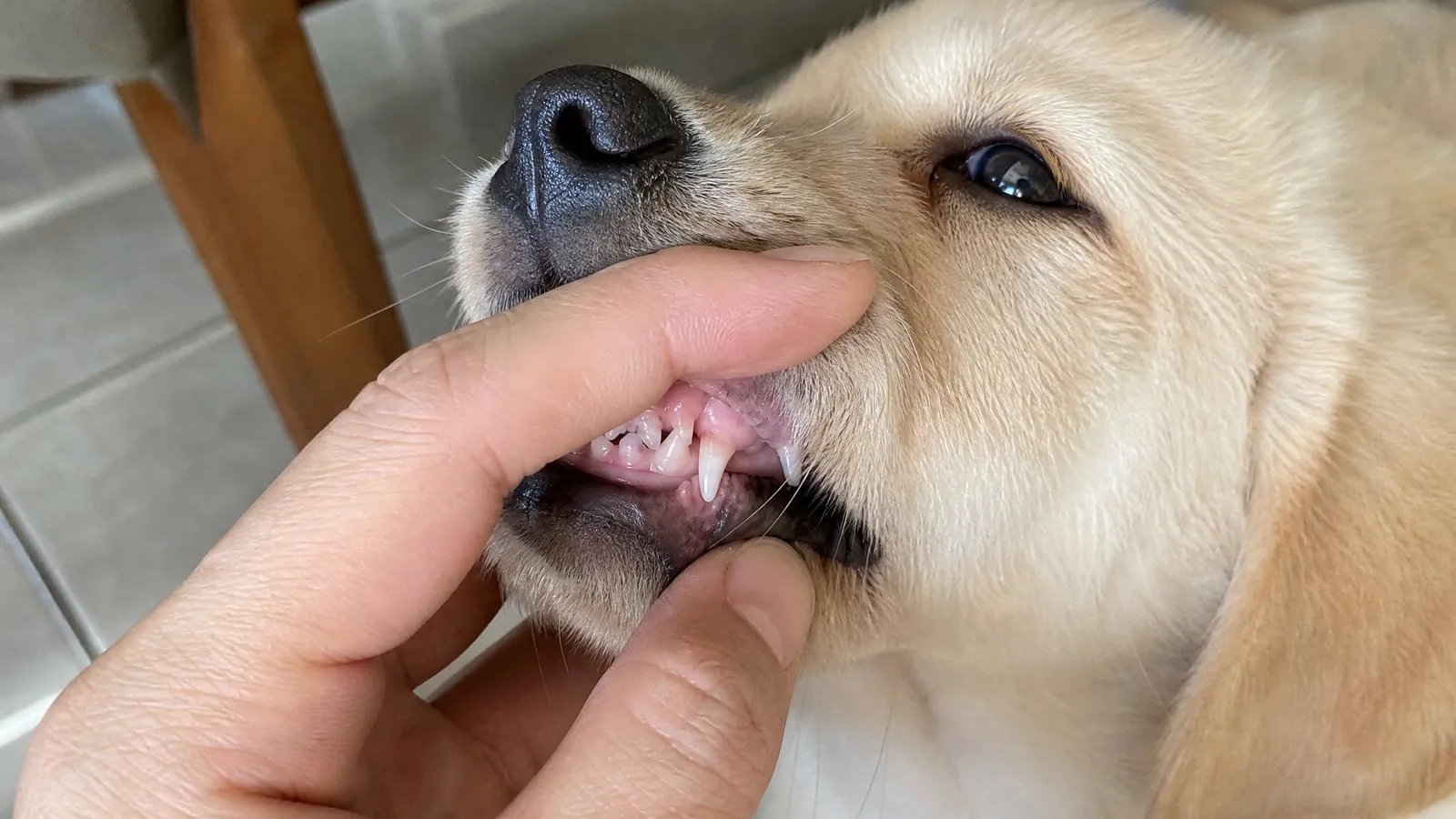
- Pale, white, or blue gums (press a fingertip to the gum; color should return within about two seconds)
- Heavy bleeding that won’t stop with a few minutes of pressure
- A fall, car incident, or being stepped on, even if the puppy seems okay
- Suspected broken bone, or a leg held up and clearly very painful
- Straining to pee or poop with nothing coming out
- Signs of heatstroke: heavy panting, drooling, bright red gums, vomiting, and collapse after heat or exertion
A fast rule of thumb: if your puppy’s gums are pale, blue, or white, if breathing is a struggle, or if they can’t stand, don’t wait for a callback. Head in.
Parvovirus: why unvaccinated puppies are high risk
Parvovirus (parvo) is a highly contagious, often fatal virus that mainly hits unvaccinated and partly vaccinated puppies. It spreads through infected feces and contaminated environments, and it can survive a long time on the ground, floors, shoes, and food bowls. This is why vets advise caution about where young puppies walk and who they meet until their vaccine series is complete.
The classic signs are:
- Severe, often bloody diarrhea
- Repeated vomiting
- Marked lethargy and weakness
- Refusing food
- Fever or a low temperature
Parvo can go from “a bit off” to critical within a day. If your puppy is not fully vaccinated and shows vomiting, diarrhea (especially bloody), or sudden lethargy, call your vet right away and mention that you’re worried about parvo so they can take precautions. Early, aggressive treatment greatly improves the odds. The good news is that a complete vaccination series is very effective prevention. See our puppy vaccination schedule for which shots come when, and why the timing matters.
Call your vet soon (same day or next day)
These signs aren’t usually emergencies on their own, but they do need professional input. Call during opening hours and describe what you’re seeing. Your vet may want to see your puppy, or may be happy to monitor.
- Mild, one-off vomiting or diarrhea in a puppy who is otherwise bright, drinking, and playful. Watch closely and call if it repeats or worsens.
- Not quite finishing meals but still interested in food and acting normal.
- Limping that improves with rest and isn’t accompanied by obvious pain or swelling.
- Scratching, head shaking, or dirty, smelly ears, which can signal ear infection, fleas, or mites.
- Red, goopy, or squinty eyes, or persistent discharge.
- A cough, sneezing, or runny nose without breathing difficulty. A honking cough can suggest kennel cough; mention any recent contact with other dogs.
- Worms in stool or around the bottom, scooting, or a pot-bellied look in an otherwise growing puppy.
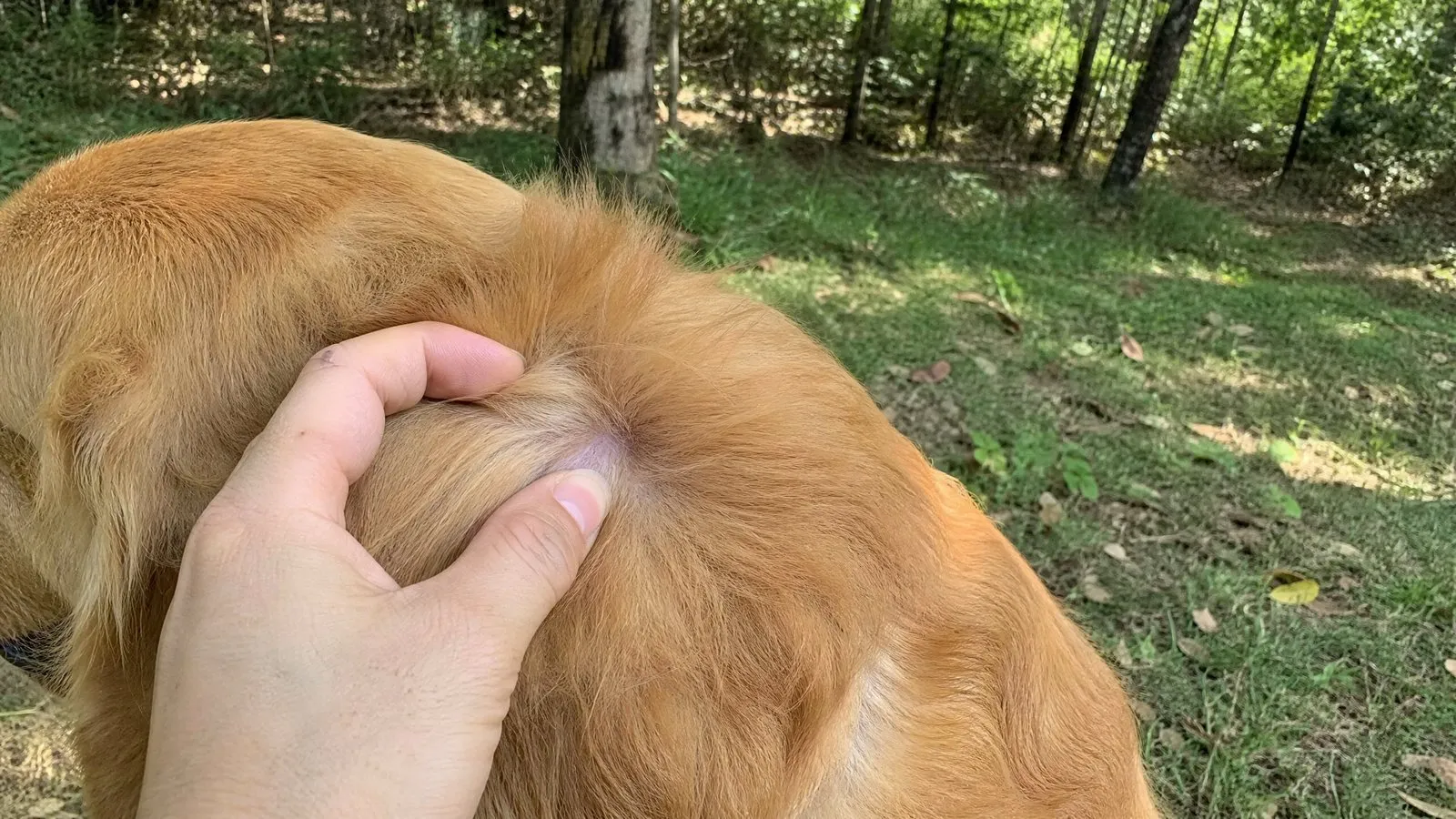
- Skin issues: hot spots, a rash, hair loss, or persistent itching.
- Struggling with house training paired with frequent small pees, which can occasionally signal a urinary infection. Our potty training guide covers normal accidents versus a possible medical issue.
- Lumps, bad breath, or broken teeth.
- Any change you can’t explain in appetite, energy, drinking, or bathroom habits that lasts more than a day.
If you’re ever unsure which bucket a symptom falls into, call your vet and describe it. Phone triage is routine, and a good clinic would far rather hear from you early.
What’s usually normal in a healthy puppy
Knowing what’s typical makes the warning signs easier to spot.
| Behavior | Usually normal | Worth a closer look |
|---|---|---|
| Energy | Bursts of play, then deep sleep | Lethargy that lasts hours, or hard to wake |
| Sleep | 16–20 hours a day for young puppies | Collapse, unresponsiveness |
| Appetite | Eager at meals, occasional pickiness | Refusing food 12+ hours, or any refusal plus other symptoms |
| Stool | Formed; the odd loose stool after a diet change | Repeated diarrhea, blood, or black tarry stool |
| Breathing at rest | Quiet, smooth | Fast, labored, noisy, or open-mouthed when not hot |
| Gums | Bubblegum pink, moist | Pale, white, blue, or very red |
| Belly | Soft, maybe round after a meal | Hard, swollen, tense, or painful |
Puppies really do sleep a lot; if that’s new to you, our guide on how much a puppy should sleep sets realistic expectations so you don’t mistake normal rest for lethargy.
Before an emergency happens: be ready
A little prep turns a scary moment into a manageable one.
- Save three numbers in your phone now: your regular vet, the nearest 24-hour emergency clinic, and a pet poison helpline.
- Know the route to the emergency clinic and whether they require a call ahead.
- Keep a photo of your puppy’s vaccination record on your phone.
- Learn the gum check and a resting breathing count (breaths per minute while calm) so you have a baseline.
- Puppy-proof your space to prevent the most common emergencies. Our room-by-room puppy-proofing guide walks through the hazards puppies find, from dropped pills to electrical cords.
- Keep hazards out of reach: medications, cleaning products, string and small objects, and toxic foods. Our quick reference on human foods dogs can and can’t eat is worth a read before you share any snacks.
How to talk to the vet when you call
Have these details ready so the team can help fast:
- Your puppy’s age, rough weight, and vaccination status
- What you’re seeing, and when it started
- How many times it has happened (vomits, diarrhea episodes, seizures)
- Anything they may have eaten, and when
- Whether gums are pink, pale, or blue
- Whether they’re drinking, standing, and responsive
Stay calm and specific. “Eight-week-old, unvaccinated, four episodes of bloody diarrhea since this morning, now very floppy” tells a vet far more than “she seems unwell.”
A quick word on reassurance
Most puppy worries turn out to be minor: a sensitive tummy after a treat, a day of lower energy, a loose stool during a food change. You are not overreacting by paying attention, and you are not a nuisance for calling. The whole point of knowing these signs is so you can relax about the small stuff and move fast on the serious stuff. When something feels truly wrong, trust that instinct and make the call.
FAQ
My puppy vomited once but seems fine. Do I need the vet?
A single vomit in a puppy who is then bright, playful, drinking, and eating can usually be watched at home. Offer a small amount of water, hold off the next meal for a couple of hours, then offer a small portion. Call your vet if vomiting repeats, if diarrhea starts, if energy drops, or if your puppy is very young or unvaccinated.
How long can a puppy safely go without eating?
Less time than an adult dog. For puppies under about four or five months, treat refusing food for more than 12 hours, or skipping two meals in a row, as a reason to call, especially in small or toy breeds that are prone to low blood sugar. Not eating combined with vomiting, diarrhea, or lethargy needs same-day attention.
Should I make my puppy vomit if they ate something bad?
No, not unless a veterinarian or a poison helpline specifically tells you to. Some substances cause more harm coming back up, and the wrong method can be dangerous. Call your vet or a pet poison line right away, and bring the packaging or a photo of what was eaten.
Is it safe to take my unvaccinated puppy to the vet with these symptoms?
Yes, getting veterinary care is the priority. Call ahead and say your puppy is unvaccinated and you’re worried about something contagious like parvo. The clinic will often bring you in through a side entrance or straight to a room to protect other animals. Never skip urgent care out of fear of exposure.
How do I check my puppy’s gum color?
Gently lift the lip and look at the gums above the teeth; they should be bubblegum pink and moist. Press a fingertip against the gum until it blanches white, then release: color should return within about two seconds. Pale, white, blue, or brick-red gums, or slow color return, is a reason to seek care right away.
A note on health information: Health and nutrition guides are written against published guidance from the AAHA, WSAVA and AVMA. They are general information, not a substitute for advice from your own veterinarian. If your dog seems unwell, call your vet.