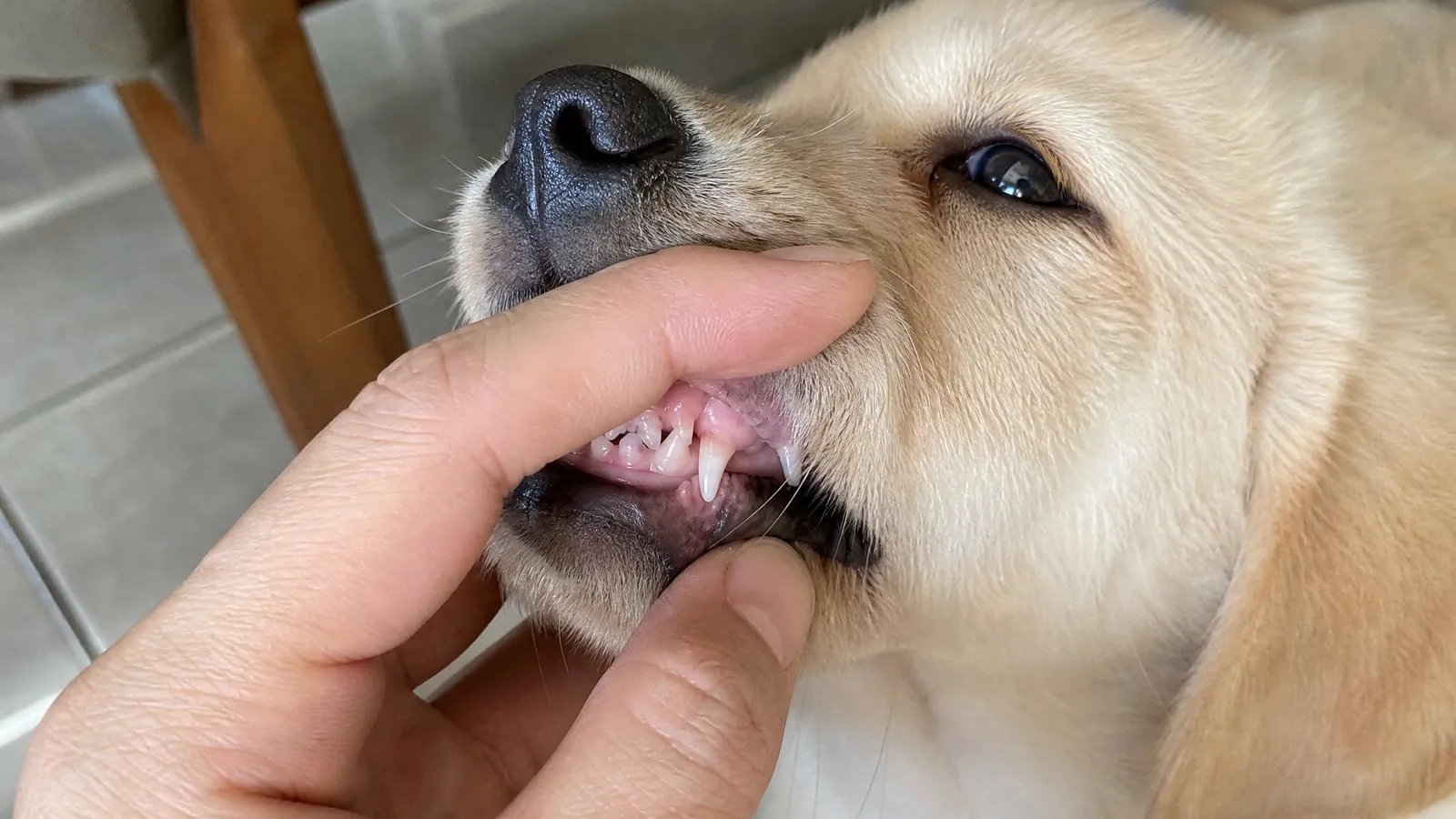
Flea and Tick Prevention for Dogs: Your Options Compared
Compare oral, topical, and collar flea and tick prevention for dogs, learn why vets recommend prescription options, and how to check for and remove ticks.

The most reliable flea and tick prevention for most dogs is a vet-recommended product given year-round, either as a monthly or every-three-months chew, a monthly spot-on liquid, or a long-acting collar. All three types work well when used correctly; the “best” one depends on your dog, your budget, and how consistent you can be. The key is choosing one and using it exactly as directed, without gaps.
Fleas and ticks are more than an itch. Fleas can cause allergic skin disease and tapeworm, and they multiply fast indoors. Ticks can transmit serious illnesses, including Lyme disease, anaplasmosis, and others that vary by region. Prevention is far easier than treating an infestation or a tick-borne infection after the fact.
Start with your vet and your region
Before you buy anything, talk to your vet, ideally at your puppy’s first checkup. Flea and tick risk depends heavily on where you live, the time of year, and your dog’s age and weight. A vet in the US Northeast or the UK may prioritize tick coverage; a vet in the US South may focus on year-round fleas and heartworm-carrying mosquitoes too.
Your vet will also confirm your puppy is old enough and heavy enough. Most products have a minimum age (often 7 or 8 weeks) and a minimum weight, so a tiny young puppy may need to wait a few weeks or use a specific formulation.
If you’re still setting up for your new dog, prevention fits alongside the other early health tasks in your new puppy checklist and your first vet visit.
The three main types, compared
Here’s how the common formats stack up in general terms. Specific products vary, so treat this as a starting point for a conversation with your vet.
| Type | How it works | Pros | Cons | Good fit for |
|---|---|---|---|---|
| Oral (chews/tablets) | Dog eats a flavored chew; active ingredient circulates and kills fleas and/or ticks when they bite | No residue on coat; unaffected by bathing or swimming; easy to dose accurately; often covers both fleas and ticks | Usually prescription; the parasite must bite to be killed; some dogs won’t take a chew | Households with kids or other pets; dogs that swim or bathe often |
| Topical (spot-on) | Liquid applied to the skin between the shoulder blades; spreads across the skin or is absorbed | Widely available; some repel as well as kill; good for dogs that won’t eat chews | Can leave a greasy spot for a day; wash-off risk with early bathing or swimming; keep away from other pets and children until dry | Dogs that refuse chews; owners who prefer not to use oral products |
| Collars | Embedded ingredients release slowly onto skin and coat over months | Long-lasting (often up to 8 months); low-effort once on; some repel ticks | Must fit correctly and stay on; can be less effective if the dog swims a lot; remove risk if chewed by another pet | Dogs that tolerate collars well; owners who want fewer monthly tasks |
A few practical notes:
- Coverage differs. Some products target fleas only; others cover fleas and ticks; many also include worm protection. Always check exactly which parasites a product handles before you rely on it.
- “Kill” vs. “repel.” Most oral products kill parasites after a bite. Some topicals and collars also repel, which can reduce bites in the first place, useful in high-tick areas. No product repels 100%, so you still need to check your dog.
- Combination products can simplify life by rolling flea, tick, and sometimes heartworm or intestinal worm prevention into one dose. Your vet can tell you what’s sensible where you live.
Why prescription products are common
You’ll notice many of the most effective options are prescription-only or sold from a vet. That’s not just paperwork. Prescription products tend to use newer active ingredients with strong, well-studied safety and efficacy data, and buying through your vet means the dose is matched to your dog’s current weight and health.
It also means someone checks for interactions. Dogs with a history of seizures, for example, warrant a specific conversation, as the AVMA and product labels note certain cautions for some ingredient classes. A quick vet conversation sorts this out.
Over-the-counter products aren’t automatically bad, but quality varies more, and some older or cheaper ones are less effective or carry more irritation risk. If you use an OTC product, read the label carefully and match it to your dog’s exact weight.
Never swap products between cats and dogs
This matters enough to state plainly: never use a dog flea or tick product on a cat, and don’t let a treated dog groom or sleep pressed against a cat until the product is dry or absorbed.
Some dog spot-on products contain permethrin, which is a common, safe ingredient for dogs but highly toxic to cats. Cats can’t metabolize it, and exposure can cause tremors, seizures, and death. Likewise, don’t guess doses by splitting a large dog’s product for a small dog or puppy, use the formulation sized for their weight.
If you have both species, tell your vet so every product in the house is cat-safe. If a cat is exposed to a dog product and shows drooling, twitching, or tremors, treat it as an emergency and call a vet immediately.
How to use each type correctly
Oral:
- Give with or after food if the label suggests it, which can improve absorption.
- Watch your dog actually swallow it; chews spat out behind the sofa don’t work.
- If your dog vomits within a couple of hours, call your vet about re-dosing.
Topical:
- Part the fur and apply directly to the skin, not the coat, usually between the shoulder blades where they can’t lick it.
- Don’t bathe your dog or let them swim for about 48 hours before and after, unless the label says otherwise.
- Keep other pets and small children away from the spot until it’s fully dry.
Collar:
- Fit it snugly, you should be able to slip two fingers underneath, and cut off the excess length.
- Check the fit as a puppy grows; a loose collar won’t work and a tight one hurts.
- Replace on schedule; effectiveness drops once the stated duration ends.
Whatever you choose, set a recurring reminder on your phone. The single biggest reason prevention fails is a missed or late dose that opens a gap.
How to check your dog for ticks
Even on prevention, check your dog after walks in grass, woods, or long vegetation, especially in spring through fall. A tick check takes two minutes and catches problems early.
Run your fingers slowly over your dog’s skin, feeling for small bumps. Ticks range from a poppy-seed size to, once engorged, a small pea. Pay special attention to:
- Head, ears, and inside the ear flaps
- Around the eyes and muzzle
- Under the collar and around the neck
- Armpits and the groin area
- Between the toes and around the paw pads
- Under the tail
Good light helps, and this doubles as handy handling practice that makes grooming and bath time less of a drama later. Keeping grass trimmed and clearing leaf litter around the yard reduces tick habitat, a small step alongside general home puppy-proofing.
How to remove a tick, step by step
If you find an attached tick, remove it promptly. The longer it stays attached, the higher the disease-transmission risk. Stay calm, it’s a straightforward job.
- Get the right tool. Use fine-tipped tweezers or a purpose-made tick remover (a small plastic hook or spoon-shaped tool). Avoid blunt household tweezers that squeeze the body.
- Grasp close to the skin. Position the tool right where the tick’s mouthparts enter the skin, not around its bloated body.
- Pull straight out, slow and steady. Use firm, even pressure in a straight line. Don’t twist or jerk, which can snap off the mouthparts.
- Don’t crush or burn it. Skip the old folk methods, matches, nail polish, petroleum jelly. They don’t help and can make the tick release more saliva.
- Clean the area. Wipe the bite site and your hands with soap and water or an antiseptic.
- Dispose safely. Drop the tick in a sealed bag or small container of rubbing alcohol. Some owners keep it for a few weeks in case identification is needed.
- Mark your calendar. Note the date and bite location.
If a small part of the mouthparts stays behind, it usually works its way out like a splinter; don’t dig at the skin.
When to call the vet after a tick bite
Contact your vet if:
- You can’t remove the tick or much of it remains embedded.
- The bite site becomes red, swollen, or painful over the following days.
- Your dog develops a fever, lethargy, loss of appetite, limping, or shifting lameness in the weeks after a bite, these can be signs of tick-borne illness and warrant prompt attention.
Tick-borne diseases can take days to weeks to show symptoms, so keep that bite date handy and mention it. If your dog seems suddenly unwell, don’t wait, our guide to warning signs your puppy needs a vet covers what shouldn’t be left overnight.
Dealing with fleas you can already see
If you spot fleas or “flea dirt” (tiny black specks that turn reddish-brown on a wet paper towel), prevention alone won’t clear an active infestation quickly. You’ll usually need to:
- Treat all pets in the home, not just the itchy one.
- Treat the environment: wash bedding hot, vacuum floors and furniture thoroughly, and empty the vacuum afterward.
- Expect it to take a few weeks, since eggs and larvae in the home hatch over time.
Ask your vet for a product that kills adult fleas fast plus a plan for breaking the life cycle. Then keep up year-round prevention so it doesn’t come back.
Do you really need prevention year-round?
In most regions, yes. Milder winters and heated homes mean fleas can survive indoors through winter, and tick activity now stretches across more of the year than it once did. Mainstream guidance from groups like the AVMA and veterinary parasitology experts leans toward consistent, year-round prevention for most dogs rather than stopping in cooler months.
There are exceptions in some climates, which is exactly why the conversation with your vet matters. Prevention is also a predictable line in your budget, worth factoring into the first-year cost of a dog.
FAQ
Can I use flea and tick prevention at the same time as vaccinations?
Usually yes, but confirm timing with your vet. It’s common to sort out parasite prevention during the same visits as your puppy’s vaccinations, since the vet can check weight and age at the same time.
How young can a puppy start flea and tick prevention?
It depends on the product. Many have a minimum age of around 7 to 8 weeks and a minimum weight. Never use an adult-dog dose on a small puppy, ask your vet for a formulation matched to your puppy’s current weight.
My dog takes a chew, do I still need to check for ticks?
Yes. Most oral products kill a tick after it bites, which greatly lowers disease risk but doesn’t stop the bite. Keep doing a tick check after walks in grassy or wooded areas.
Are natural or home-remedy repellents enough on their own?
No reliable evidence supports essential oils or home remedies as sole protection, and some (like certain oils) can be harmful to pets, especially cats. Use vet-recommended products for real protection.
What if I miss a dose?
Give it as soon as you remember, then adjust your schedule from that date and set a phone reminder. If it’s been a long gap, or you’re unsure how to restart, call your vet, and watch closely for fleas or ticks in the meantime.
A note on health information: Health and nutrition guides are written against published guidance from the AAHA, WSAVA and AVMA. They are general information, not a substitute for advice from your own veterinarian. If your dog seems unwell, call your vet.