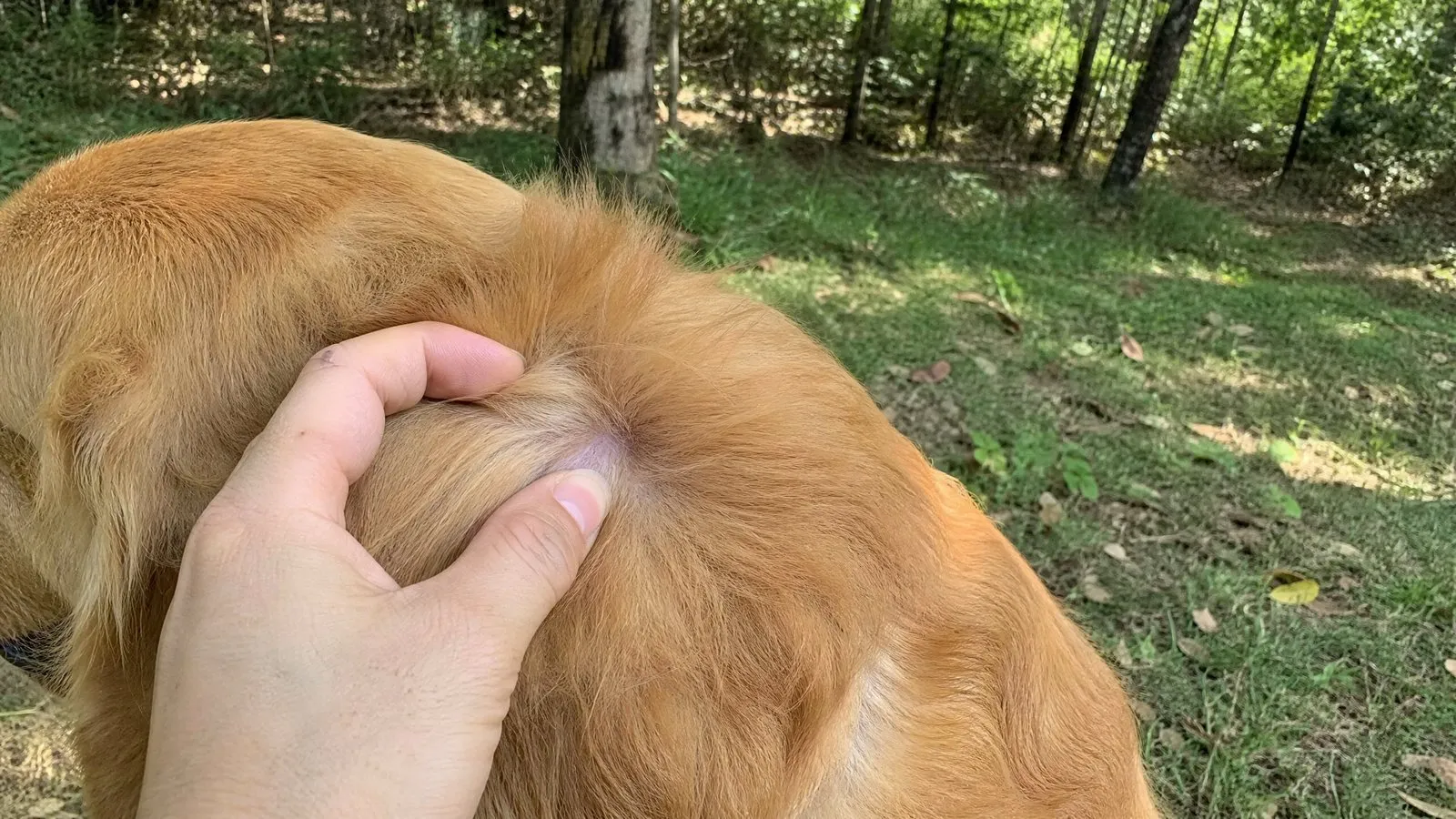
Puppy Teething Timeline: Ages, Signs, and How to Soothe Sore Gums
A clear puppy teething timeline from baby to adult teeth, plus signs, safe ways to soothe sore gums, when to see a vet, and how to start brushing.
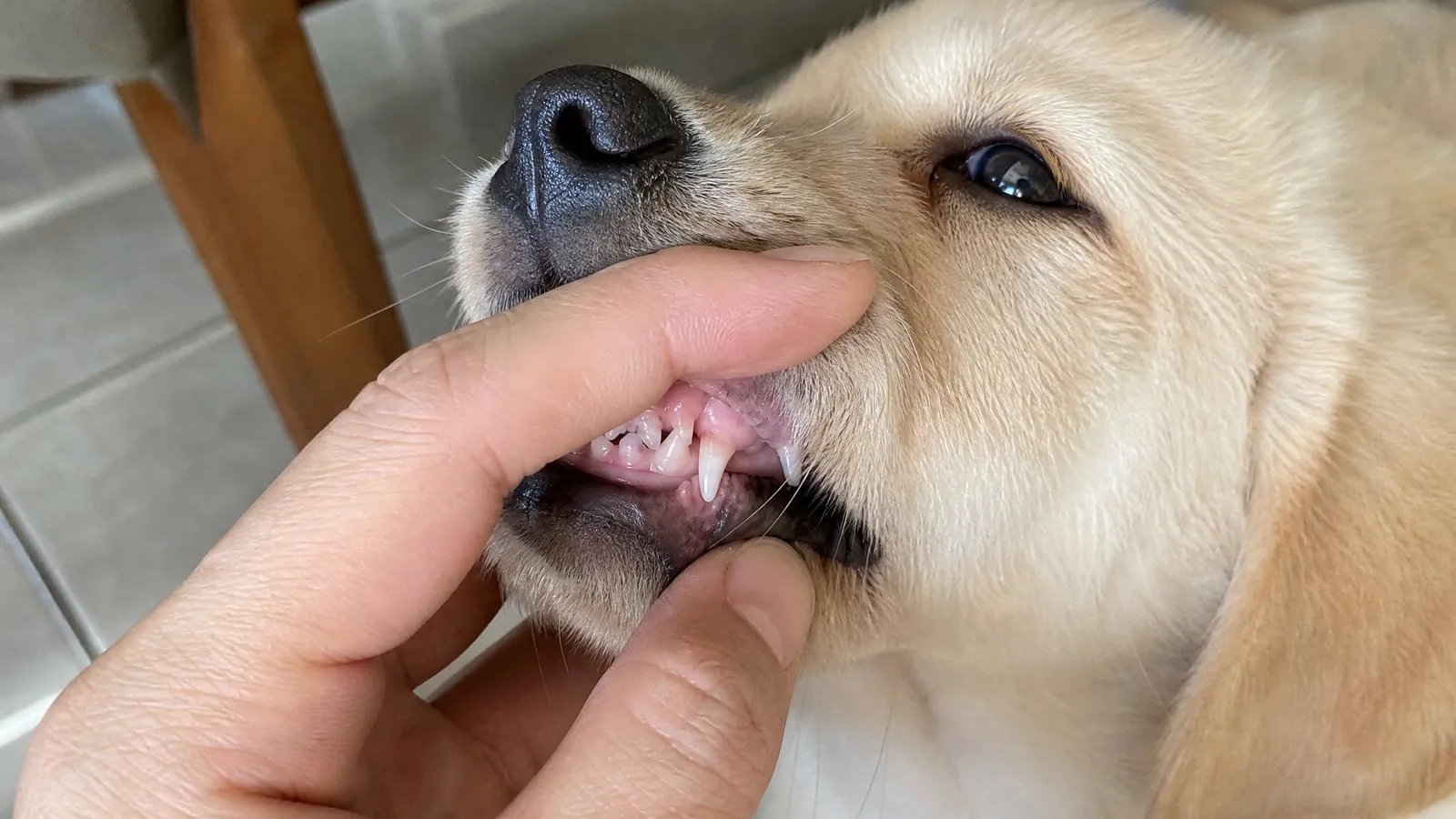
Puppies start losing their baby teeth around 3 to 4 months old, and most have a full set of 42 adult teeth by about 6 to 7 months. During that stretch, sore gums and a strong urge to chew are normal. Your job is to give safe things to chew, protect your belongings, and keep an eye out for the few problems that need a vet.
Here’s the full timeline, what’s normal, what helps, and when to pick up the phone.
The puppy teething timeline
Puppies go through two sets of teeth, just like children. The small, sharp “milk teeth” (deciduous teeth) come in first, then fall out and are replaced by larger adult teeth.
| Age | What’s happening |
|---|---|
| Birth to ~2 weeks | No teeth yet; puppies are nursing |
| ~3 to 6 weeks | 28 baby teeth erupt (incisors, canines, premolars) |
| 6 to 8 weeks | Full set of baby teeth; this is often when pups go to new homes |
| 12 to 16 weeks (3–4 months) | Baby teeth start to fall out; adult incisors come in |
| 4 to 6 months | Adult canines and premolars replace baby teeth; peak chewing |
| 5 to 7 months | Adult molars erupt (dogs have no baby molars); full set of 42 adult teeth |
| 7+ months | Teething usually complete |
A few honest caveats:
- Timing varies by dog. Small and toy breeds sometimes run a little later or have more crowding issues. Larger breeds often finish on the earlier end.
- You may never find the teeth. Puppies frequently swallow baby teeth while eating or chewing. That’s harmless.
- A little blood is normal. You might see a pink tinge on a chew toy or a tiny spot of blood when a tooth comes out. A steady bleed is not normal — more on that below.
Signs your puppy is teething
Most teething signs are mild and pass on their own. Expect some combination of:
- More chewing and mouthing. The urge to gnaw peaks between 4 and 6 months.
- Drooling, sometimes more than usual.
- Chewing on cold or firm things — they’re seeking pressure and relief.
- Small spots of blood on toys, bedding, or in the water bowl.
- A lost tooth turning up on the floor or in food.
- Red, slightly swollen gums where adult teeth are pushing through.
- Going off food briefly or eating more slowly if gums are tender.
- Fishy or slightly off breath during active tooth turnover, which usually settles.
Teething can overlap with normal puppy nipping, but they’re not the same problem. If your pup is sinking teeth into hands and ankles, the fix is training, not a chew toy — see How to Stop Puppy Biting and Nipping (Without Yelling).
What is not just teething
Call your vet if you see any of these, because they point beyond normal teething:
- Loss of appetite lasting more than a day, or clear reluctance to eat
- Steady or heavy bleeding from the mouth
- Swelling of the face or jaw
- Pawing at the mouth, crying, or acting painful
- Lethargy, fever, or vomiting
For a broader list of red flags, see Warning Signs Your Puppy Needs a Vet Today.
How to soothe sore gums
You can’t speed up teething, but you can make your puppy more comfortable and steer that chewing toward things you’re happy for them to destroy.
1. Offer safe chews sized for a puppy
Chewing is the single best relief. Give a few different textures and let your pup choose a favorite:
- Rubber chew toys designed for puppies, soft enough to flex slightly.
- Chilled (not frozen) toys. Cold soothes sore gums. Rock-hard frozen items can be too harsh on fragile baby teeth.
- A damp, twisted washcloth popped in the fridge for 20–30 minutes makes a cheap, gentle chew. Supervise, and swap it out once it starts to fray.
Avoid anything rock-hard. A good rule: if you can’t make a dent with your thumbnail, or it would hurt to be hit on the knee with it, it’s too hard and risks cracking teeth. That rules out antlers, hooves, hard nylon bones, and real bones. For a full breakdown of what to give and what to skip, see Safe Chews for Teething Puppies: What to Give and What to Avoid.
2. Rotate toys so they stay interesting
Keep 8–10 toys and put most of them away. Swap two or three every few days. A “new” toy holds attention far longer than the same pile sitting out all week.
3. Try a frozen food-stuffed toy
Pack a hollow rubber toy with your pup’s own kibble moistened with a little water, or a thin smear of plain wet food, and freeze it. It cools the gums and keeps a bored, teething puppy busy. Count whatever you stuff it with toward the day’s food so you don’t overfeed — our Puppy Food Calculator can help you keep the math straight.
4. Protect what you don’t want chewed
Teething puppies aren’t being naughty; they’re following a biological urge. Make the right choice the easy one:
- Move shoes, cables, remote controls, and chair legs out of reach.
- Use baby gates to limit roaming.
- When you can’t supervise, use a crate or puppy-proofed space with a safe chew.
If you haven’t done this yet, walk through How to Puppy-Proof Your Home, Room by Room.
What to avoid
- Human teething gels and pain relievers. Many contain ingredients that are toxic to dogs. Never give human medication unless your vet tells you to.
- Ice cubes as a main chew. They’re very hard and can chip teeth; chilled toys are safer.
- Tug-of-war during peak teething. Hard yanking on loose or erupting teeth can hurt. Keep tug gentle for now.
Retained baby teeth: when to see a vet
Normally a baby tooth loosens and falls out as the adult tooth pushes up beneath it. Sometimes the baby tooth doesn’t let go, and the adult tooth comes in alongside it. This is a retained deciduous tooth, and it’s most common with the upper canines (the long “fang” teeth), especially in small and toy breeds.
How to spot it
Around 6 months, lift your puppy’s lip and look. If you see two teeth in one spot — a baby canine sitting right next to the adult canine — that’s a retained tooth. You may also notice the adult tooth growing at an odd angle.
Why it matters
Two teeth crowded together trap food and hair, which encourages plaque, gum inflammation, and early decay. A baby tooth can also force an adult tooth into the wrong position, causing a bad bite that’s harder to fix later.
The usual guidance from veterinary dentists is simple: there should never be two teeth of the same type in the same socket. If a baby tooth is still firmly in place once the adult tooth has clearly erupted, it should come out.
What to do
- Mention it at your pup’s checkups. Vets routinely check the mouth, but point out anything you’ve noticed.
- Timing often lines up with spay/neuter. If a baby tooth needs removing, many vets do it during the same anesthetic, which spares your pup a second procedure. See When to Spay or Neuter Your Dog: What Current Guidance Says.
- Don’t try to wiggle it out yourself. Baby tooth roots are long and fragile; pieces left behind cause infection. This is a vet job.
Start tooth brushing now
Teething is the ideal time to make mouth handling normal, so brushing feels routine for the rest of your dog’s life. The American Veterinary Medical Association and the American Animal Hospital Association both recommend regular home dental care, and daily brushing is the gold standard.
You don’t need to brush hard during active teething — go gently around tender spots — but you can absolutely build the habit.
A gentle 2-week starter plan
- Days 1–3: Let your puppy lick a little dog toothpaste off your finger. Reward and stop. That’s the whole session.
- Days 4–6: Lift a lip and rub a clean finger along the outside of a few teeth for a couple of seconds. Praise, treat, done.
- Days 7–9: Introduce a soft puppy toothbrush or a finger brush with a dot of toothpaste. Touch it to a few teeth.
- Days 10–14: Brush the outer surfaces of the upper teeth in small circles for 10–20 seconds, then build toward 30–60 seconds total.
Keep every session short and upbeat. If your puppy struggles, you’ve gone too fast — back up a step.
A few rules that matter:
- Use dog toothpaste, never human toothpaste. Human paste often contains fluoride and sometimes xylitol, both of which can harm dogs. Dog toothpaste is safe to swallow.
- Focus on the outer (cheek-side) surfaces. That’s where most plaque builds up, and it’s the easiest area to reach.
- Aim for daily, settle for most days. Even a few times a week beats nothing.
- Pair it with a calm time, such as after an evening walk when your pup is tired.
If you’re still assembling supplies, a soft toothbrush and dog toothpaste belong on your New Puppy Checklist: What to Buy and Set Up Before Day One.
A quick month-by-month cheat sheet
- 8–12 weeks: Full set of baby teeth. Start handling the mouth and letting your pup lick toothpaste. Offer soft puppy chews.
- 3–4 months: Baby teeth begin dropping. Expect more chewing; keep safe chews everywhere and puppy-proof hard.
- 4–6 months: Peak teething. Chilled toys and frozen stuffed toys earn their keep. Begin real brushing.
- 5–7 months: Adult teeth finish coming in. Check for retained baby teeth and flag any to your vet.
- 7 months+: Teething done. Lock in a brushing routine and keep offering appropriate chews for life.
FAQ
How long does puppy teething last?
Active teething runs from about 3 to 7 months, with the most intense chewing usually between 4 and 6 months. By roughly 7 months, most puppies have all 42 adult teeth and the discomfort is over.
Is it normal for my puppy’s gums to bleed while teething?
A little is normal. Small spots of blood on toys or in the water bowl as teeth loosen and fall out are expected. Steady or heavy bleeding, a swollen face, or signs of pain are not normal — contact your vet.
Can I give my teething puppy frozen toys or ice?
Chilled toys are great, but avoid rock-hard frozen items and ice cubes, which can chip fragile teeth. A damp washcloth chilled in the fridge, or a food-stuffed rubber toy frozen soft, gives relief without the risk. Always supervise.
My puppy still has baby teeth at 6 months. Should I worry?
If an adult tooth has clearly come in and the baby tooth hasn’t fallen out, have your vet check it. Retained baby teeth, especially the upper canines, often need removal — commonly done during the spay or neuter procedure.
When should I start brushing my puppy’s teeth?
Start now, as early as 8 weeks, with gentle, rewarding sessions. Beginning during teething makes mouth handling feel normal. Use dog-specific toothpaste only, and work up to brushing the outer surfaces daily or most days.
A note on health information: Health and nutrition guides are written against published guidance from the AAHA, WSAVA and AVMA. They are general information, not a substitute for advice from your own veterinarian. If your dog seems unwell, call your vet.