How to Bathe a Puppy Without the Drama
Learn how to bathe a puppy calmly: how often, what to use, a step-by-step routine, safe drying, plus quick nail and ear care tips.
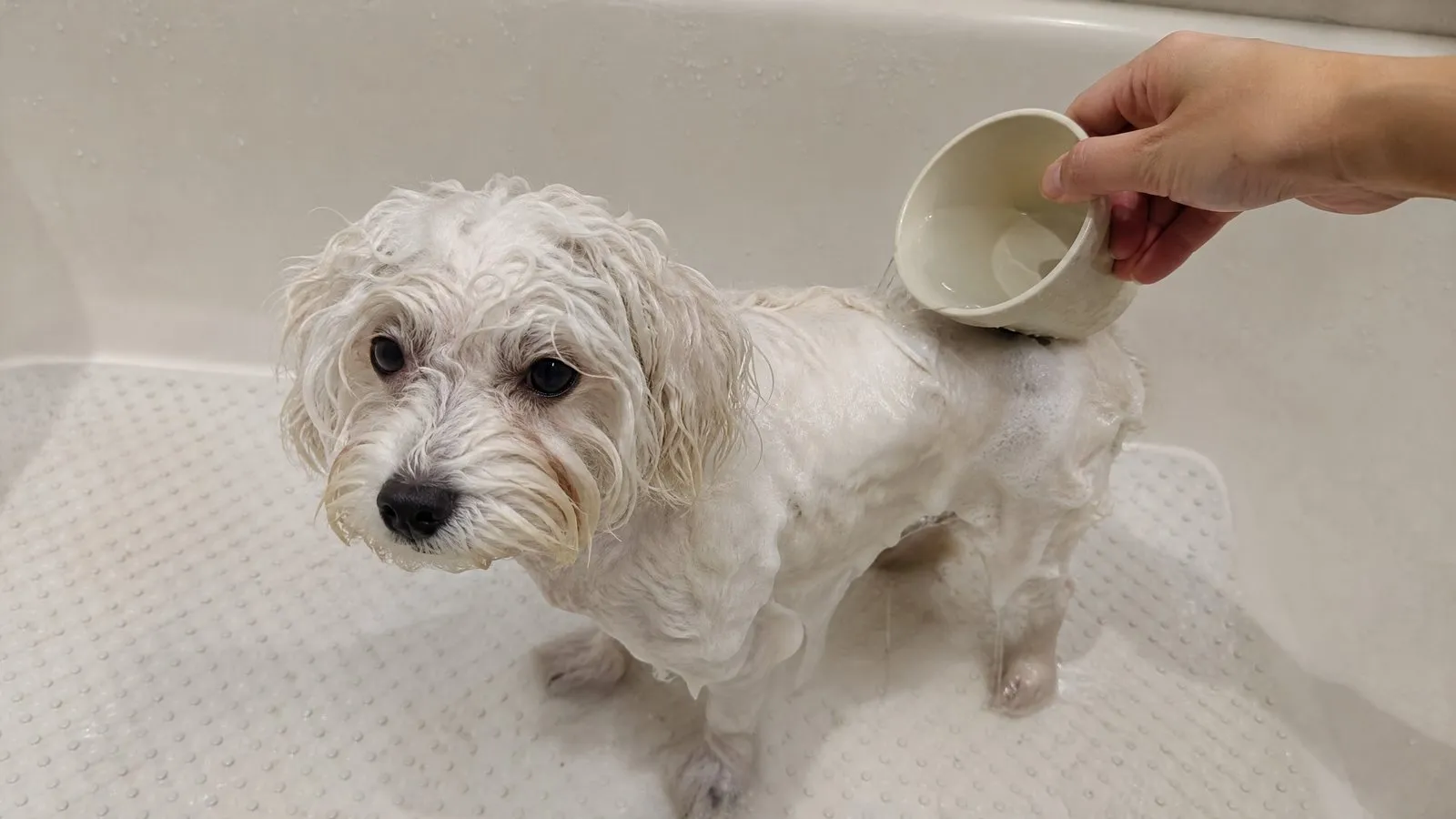
Most puppies need a bath only every four to six weeks, sometimes less. Use lukewarm water, a tear-free puppy shampoo, a non-slip mat, and a cup to pour water instead of a spray nozzle. Go slowly, keep the first few baths short and full of treats, and you’ll avoid the thrashing, slipping, and shampoo-in-the-eyes chaos that makes bath time miserable for both of you.
Here’s the full routine, from how often to how to dry, plus the nail and ear care you can fold in on the same day.
How often should you bathe a puppy?
Less often than you’d think. For most healthy puppies, a bath every four to six weeks is plenty. Dogs aren’t people: their skin and coat rely on natural oils, and washing too often strips those oils and can leave skin dry, flaky, and itchy.
Bathe more often only when there’s a real reason:
- Your puppy rolled in something foul or got muddy
- A vet recommends a medicated shampoo for a skin condition
- Your breed genuinely needs it (some oily or heavy-coated breeds benefit from a monthly schedule)
Between baths, a damp cloth, a quick rinse of just the muddy legs, or a brush handles most day-to-day grime.
When is a puppy old enough for a bath?
Most puppies can have their first full bath from around eight weeks, once they can hold their body temperature reasonably well. Very young puppies chill fast, so for anything before that, spot-clean with a warm damp cloth instead of a full soak. If your puppy is unwell, recovering from vaccinations and feeling off, or very small, keep baths brief and the room warm, and ask your vet if you’re unsure.
What you need before you start
Set everything out before the puppy comes anywhere near water. A half-soaped puppy is not the moment to go hunting for a towel.
- Puppy shampoo. Use a shampoo formulated for puppies or dogs, ideally tear-free. Dog skin has a different pH than ours, so human shampoo, baby shampoo, and dish soap can irritate it. Skip anything with heavy fragrance.
- A non-slip mat. A rubber mat in the tub or sink gives your puppy secure footing. Slipping is one of the biggest reasons puppies panic.
- A cup or jug. A small plastic cup or jug lets you pour water gently and control where it goes. Many puppies find a spray nozzle’s noise and pressure frightening, especially the first few times.
- Two or three towels. One to stand on, one or two to dry.
- Treats. Small, soft, and plenty of them. These do the heavy lifting on making baths positive.
- A brush for before and after (especially for longer or fluffier coats).
- Lukewarm water. Aim for comfortably warm to the touch, like a baby’s bath, never hot.
A quick location note: small puppies are often easiest in a kitchen or utility sink, where you’re not bending over a deep tub. Bigger puppies do better in the bathtub or a walk-in shower. Either way, close the door so a wet escapee can’t bolt through the house. If you’re still gathering basic supplies, our new puppy checklist covers the grooming and care gear worth having on hand.
Step-by-step: bathing your puppy
Work through this at a calm pace. The whole thing should take about 10 minutes once you’re set up.
- Brush first. Remove loose hair and any tangles. Mats get worse when wet, so deal with them before water is involved.
- Run the water and test it. Lukewarm, around body temperature. Fill the cup or get a shallow pool of water in the tub. Keep the room warm and draft-free.
- Lift your puppy onto the non-slip mat. Let them stand and sniff for a moment. Give a treat for simply being there.
- Wet from the neck down. Pour water slowly with the cup, starting at the shoulders and working back. Save the head and face for last, and go gently there. Keep water out of the eyes and ears.
- Lather. Put a small amount of shampoo in your hands first, then massage it into the coat. Work along the back, belly, legs, under the tail, and the paws. Talk in a calm, light voice throughout.
- Clean the face carefully. Use a damp cloth with no shampoo, or a tiny amount of tear-free shampoo well away from the eyes. Never pour water directly over the face.
- Rinse thoroughly. This is the step people rush, and leftover shampoo is a common cause of itchy skin. Pour clean water with the cup until the water runs completely clear and the coat no longer feels slippery. Rinse the belly and armpits, where suds hide.
- Squeeze out excess water. Gently run your hands down the legs and body to push off the worst of the water before you lift them out.
- Wrap and lift. Have a towel ready, wrap your puppy, and lift them onto a towel on the floor.
Throughout, keep one hand on your puppy for reassurance and security. A steady hand on the chest or shoulder helps a nervous puppy feel anchored.
Drying without a fight
How you dry matters as much as how you wash, because a cold or startled puppy remembers it.
- Towel first, gently. Blot and squeeze rather than rubbing hard, which can tangle the coat and over-excite a puppy into the classic post-bath zoomies.
- Keep them warm. A damp puppy chills quickly. Stay in a warm room and don’t let them outside until fully dry.
- Introduce a dryer slowly, if at all. A regular hair dryer can be too hot and too loud. If you use one, choose the lowest heat and speed, hold it well back, and keep it moving. Many owners pair the dryer with treats over several sessions so the noise becomes no big deal. Never aim hot air at the face.
- Air-dry short coats. A short-coated puppy in a warm room can simply air-dry after a good towel.
Give a final brush once the coat is damp-dry to prevent tangles, especially for fluffy or long-haired breeds.
Making bath time positive
The goal for the first several baths isn’t a spotless puppy. It’s a puppy who thinks the bathroom is a fine place to be. Build that early and you’ll never dread baths.
- Do dry runs. Before the first real bath, lift your puppy into the empty, dry tub, feed a few treats, and lift them out. Repeat over a few days.
- Feed constantly. Treats for stepping onto the mat, for standing calmly, for tolerating the water. A smear of something soft spread on the side of the tub can keep a puppy licking happily while you wash.
- Keep sessions short and end on a good note. Stop while your puppy is still coping, not after a meltdown.
- Stay calm yourself. Puppies read your tension. A relaxed, cheerful voice goes a long way.
- Protect the ears and eyes. A bad splash to the face can sour a puppy on baths fast, so this is worth the care.
This is the same gentle, reward-based approach that works for handling in general, and it pairs well with the broader confidence-building in our puppy socialization checklist.
Add-ons: nails and ears on bath day
Bath day is a natural time to handle grooming tasks, because your puppy is already being touched all over. Do these either before the bath or after drying, whichever keeps your puppy calmer.
Nail trimming
Aim to trim small amounts every one to two weeks. If you hear nails clicking on hard floors, they’re too long.
- Use a dog-specific clipper or a nail grinder.
- Trim just the tip, a little at a time. Inside each nail is the quick, the pink sensitive part with the blood supply. On clear nails you can see it; on dark nails you can’t, so take off only tiny slivers.
- Cutting the quick hurts and bleeds. Keeping a styptic powder on hand stops minor bleeding. If it keeps bleeding or your puppy is in pain, call your vet.
- Reward after every nail. Many puppies do best with one or two nails per session rather than all at once.
If you’re nervous, ask your vet or a groomer to show you once in person. Many will demonstrate for free or a small fee.
Ear cleaning
Clean ears only when they look dirty, not on a fixed schedule for most puppies.
- Use a dog ear-cleaning solution and cotton balls or pads.
- Apply the solution, gently massage the base of the ear, then wipe out the visible part of the ear canal and the flap.
- Never push a cotton swab down into the ear canal. You can damage it and pack debris deeper.
- Dry ears matter: after baths and swims, dry the ear flaps, since trapped moisture encourages infections. Floppy-eared breeds are especially prone.
See your vet if you notice a bad smell, redness, dark or heavy discharge, head shaking, or scratching at the ears. Those are signs of an infection, which needs treatment, not just cleaning.
Quick reference: puppy bathing at a glance
| Task | How often | Key tip |
|---|---|---|
| Full bath | Every 4–6 weeks, or when dirty | Lukewarm water, tear-free puppy shampoo |
| Spot clean | As needed | Warm damp cloth on muddy areas |
| Brushing | Weekly to daily by coat type | Always brush before a bath |
| Nail trim | Every 1–2 weeks | Tiny amounts; avoid the quick |
| Ear cleaning | Only when dirty | Never insert swabs into the canal |
When to call your vet
Grooming often surfaces health issues, so it’s worth knowing what’s not normal. Contact your vet if you notice:
- Persistent itching, redness, flaking, scabs, or hair loss
- A rash or hot spots
- Fleas, ticks, or “flea dirt” (tiny black specks) in the coat
- A foul smell from the skin or ears that cleaning doesn’t fix
- Lumps, sores, or pain when you touch a certain area
For a wider sense of what warrants a same-day call, see our guide to warning signs your puppy needs a vet today. If you spot parasites, our overview of flea and tick prevention options can help you choose a long-term plan with your vet.
FAQ
Can I use human shampoo on my puppy in a pinch?
It’s best not to. Human and baby shampoos are formulated for human skin, which has a different pH than a dog’s, and they can leave puppy skin dry and irritated. If your puppy is filthy and you have nothing else, a tiny amount well-rinsed is better than leaving them covered in something harmful, but switch to a puppy or dog shampoo as soon as you can.
My puppy is terrified of the bath. What should I do?
Slow right down. Spend a week just feeding treats in the empty, dry tub so the space feels safe. Then add a shallow bit of warm water and a few treats, lift the puppy in and out, and build up gradually. Keep sessions short, use the cup instead of a spray, and never force a panicking puppy to stay. Most fear fades with calm, rewarded repetition.
How do I bathe a puppy that won’t hold still?
Set up completely before you start, use a non-slip mat for secure footing, and keep a hand on the chest or shoulder for reassurance. A smear of soft treat on the side of the tub to lick works wonders. Work quickly through wetting, lathering, and rinsing, and accept that a “good enough” short bath beats a long battle.
Should I bathe my puppy before or after a walk?
After, if the walk is why they’re dirty. Otherwise it’s smart to bathe a puppy who’s already had some exercise and a potty break, because a tired puppy with an empty bladder is calmer and easier to handle than a wound-up one.
Is it okay to bathe a puppy after vaccinations?
A bath itself is fine, but give it a day or two if your puppy seems tired or sore after shots, and keep the session short and the room warm. If your puppy has any reaction beyond mild tiredness, skip the bath and check with your vet.