Your Puppy's First Vet Visit: What to Expect and Questions to Ask
Your puppy's first vet visit explained: what to bring, the exam step by step, typical costs, questions to ask, and how to keep it calm and positive.
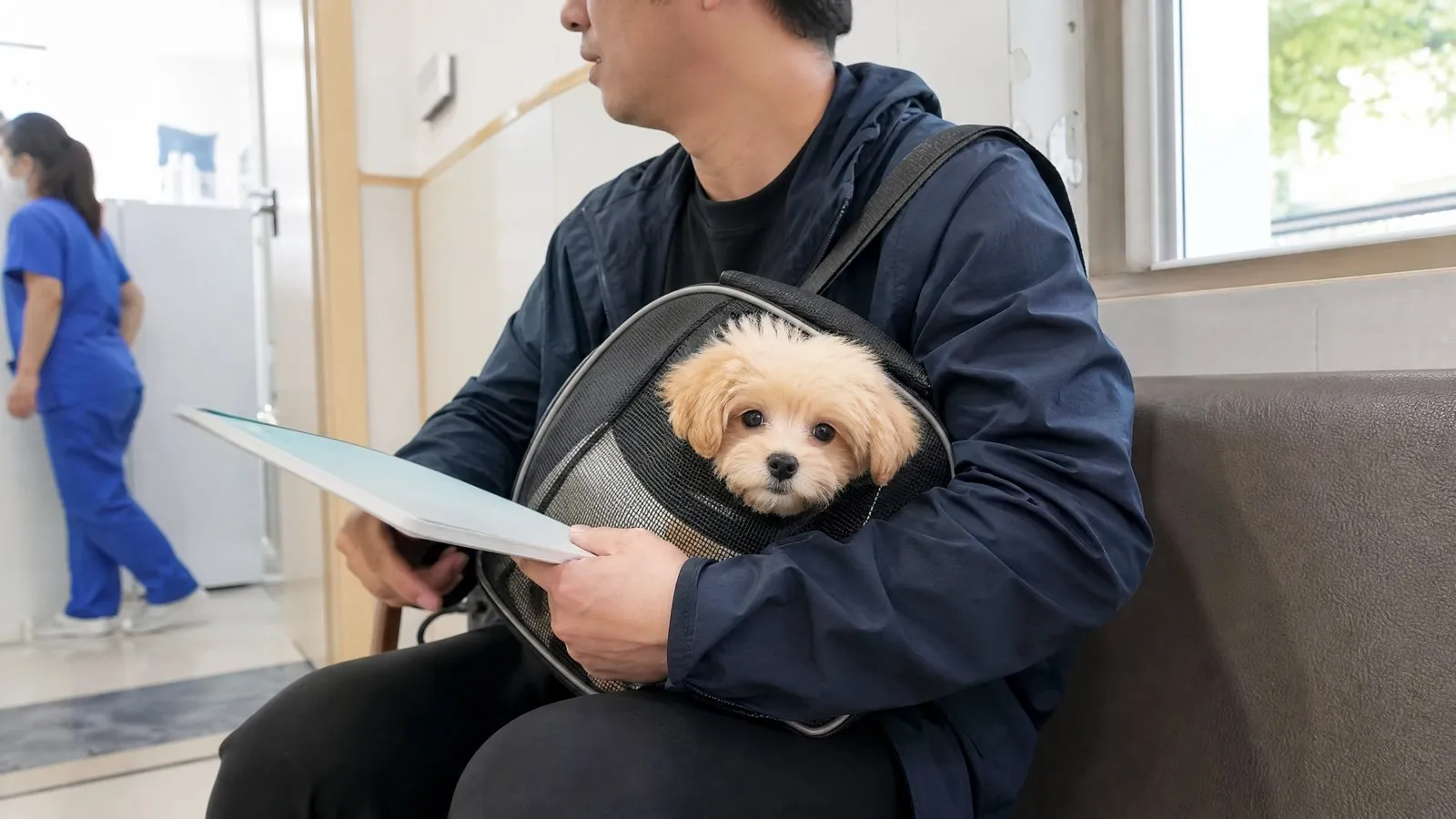
Book your puppy’s first vet visit within 3 to 7 days of bringing them home, and bring their paperwork plus a fresh stool sample. The appointment is mostly a nose-to-tail physical exam, a weight check, a parasite test, and a plan for vaccines. Expect to spend roughly 45 minutes there and somewhere between $100 and $300 for a first visit, depending on where you live and what your puppy needs.
Here’s exactly what to pack, what the vet will do, what to ask, and how to keep the whole thing calm.
Book the visit at the right time
If you’re still in the planning stage, add this appointment to your new puppy checklist and schedule it before pickup day if you can.
- Newly adopted or purchased puppy: within the first week, even if they seem perfectly healthy. Many breeder contracts and adoption agreements actually require a vet check within a set window (often 3 to 5 days), so read yours.
- Already overdue for a shot: call and book as soon as you notice.
- Any worrying symptom (vomiting, diarrhea, not eating, lethargy, trouble breathing): don’t wait for a routine slot. Call the same day and describe what you’re seeing. Our guide to the warning signs your puppy needs a vet today can help you judge urgency.
An early visit does two things: it catches problems while you may still have recourse under a health guarantee, and it starts your puppy’s vaccine and parasite schedule on time.
What to bring
Gather these the night before so you’re not scrambling:
- All paperwork from the breeder, shelter, or rescue. This includes any vaccine and deworming records, microchip number, and the date of birth or best age estimate.
- A fresh stool sample. Collect a small amount (a tablespoon is plenty) within about 12 hours of the appointment, sealed in a clean bag or container. The clinic uses it to check for intestinal parasites like roundworms, hookworms, and giardia, which are common in puppies.
- The food you’re currently feeding, or a photo of the label. The vet may ask about the brand, the type, and how much you feed. If you want a second opinion on amounts, our how much to feed a puppy guide and the puppy food calculator give you specific numbers.
- A list of questions (there’s one further down you can steal).
- Treats your puppy loves, broken into tiny pieces.
- A towel or blanket that smells like home, for the carrier and the exam table.
- Your wallet and any pet insurance details. Ask when booking how payment works.
If you adopted from a shelter, some first vaccines and a first deworming may already be done. Bring that record so nothing gets repeated unnecessarily.
The exam, step by step
A first visit is thorough but rarely stressful once you know the sequence. Here’s what typically happens.
1. Weight and history
A vet tech weighs your puppy and asks questions: where they came from, what they’re eating, how house-training and sleep are going, and whether you’ve noticed coughing, sneezing, vomiting, diarrhea, or scratching. Answer honestly, including the embarrassing stuff. It all helps.
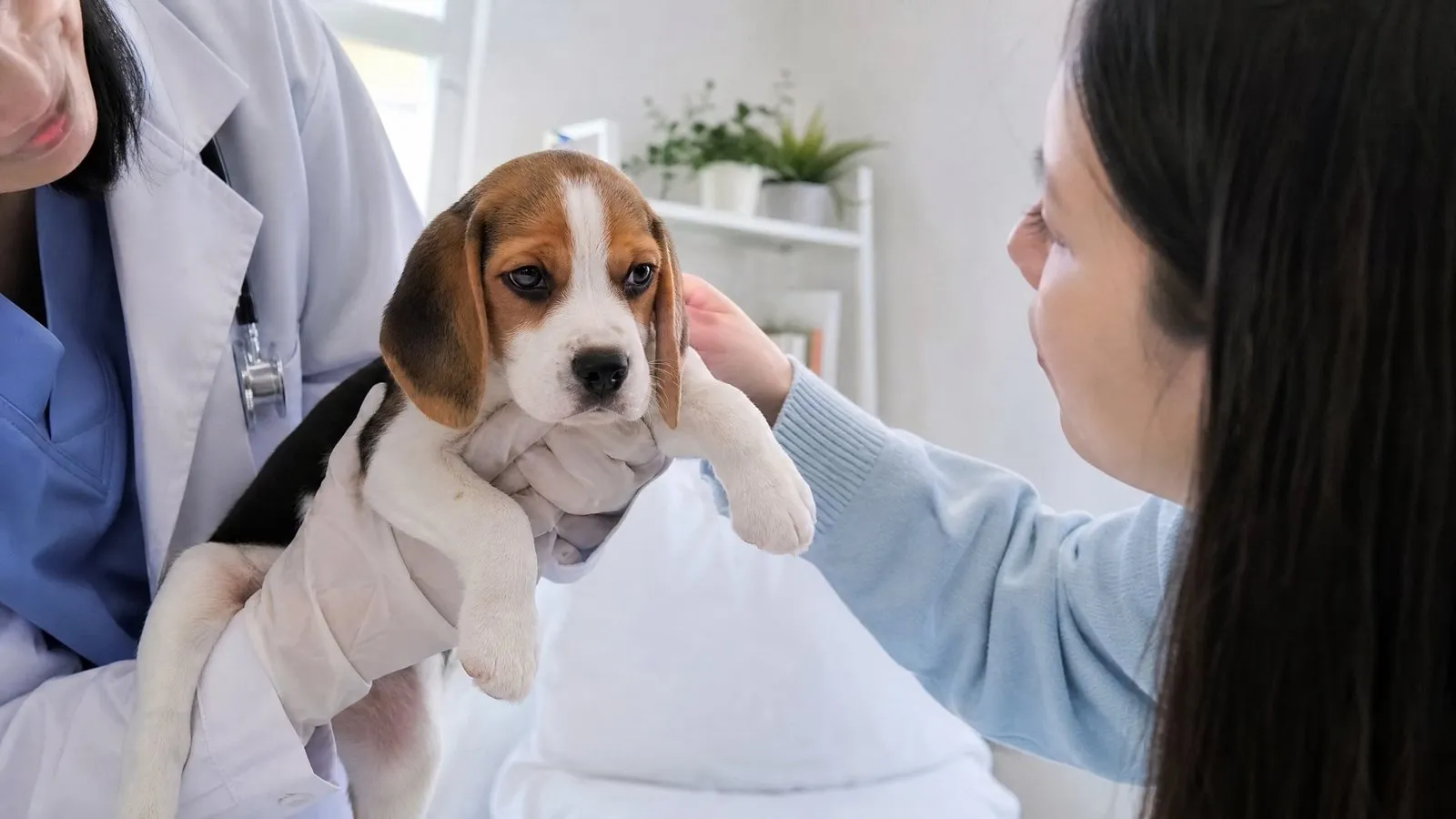
2. The nose-to-tail physical
The vet checks your puppy over systematically. Expect them to:
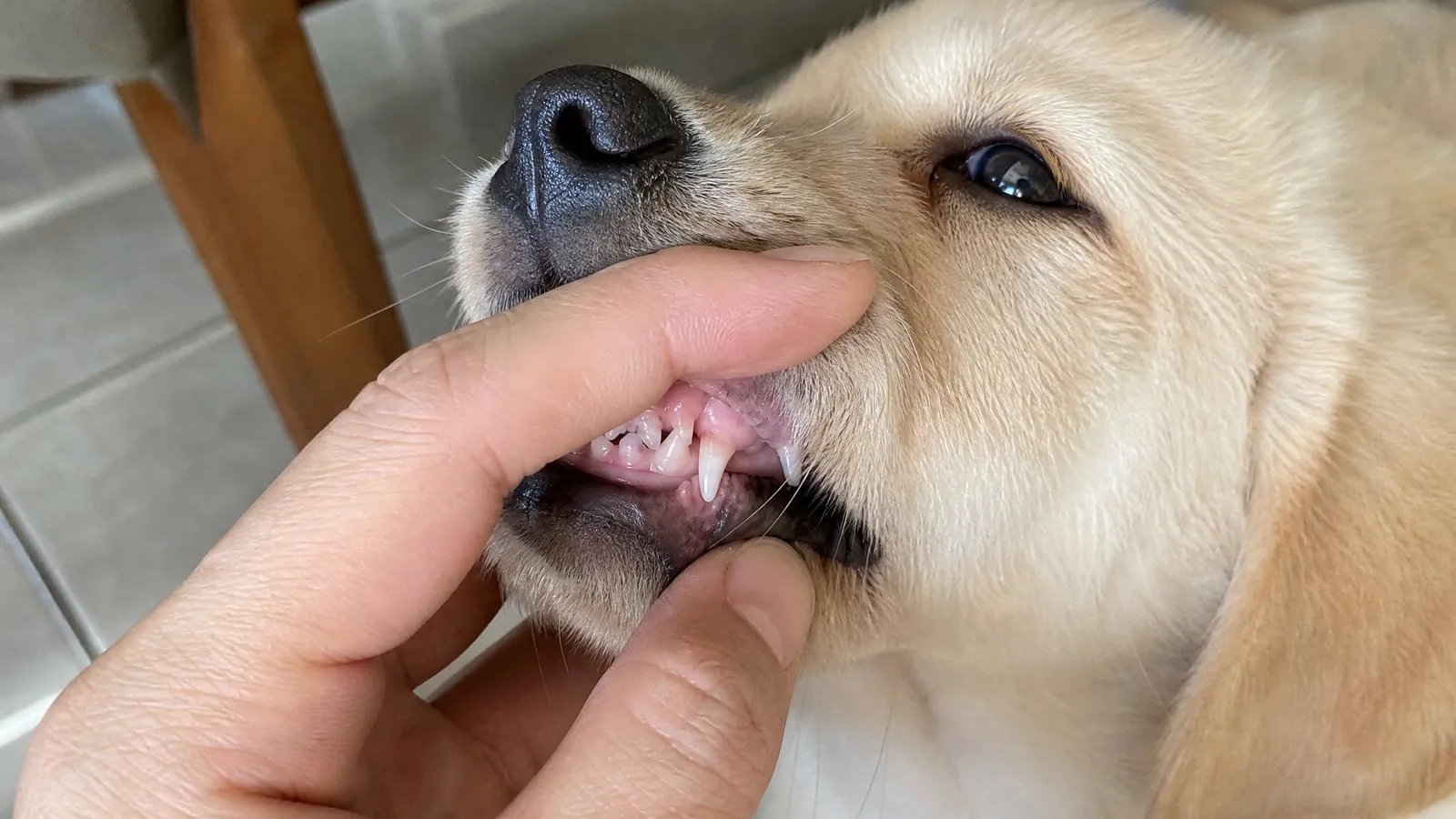
- Eyes, ears, nose, and mouth for discharge, infection, and how the bite lines up.
- Heart and lungs with a stethoscope, listening for a murmur or abnormal breathing. Soft puppy heart murmurs are sometimes found and often harmless, but the vet will note any for rechecking.
- Belly by gentle feel, checking organs and looking for signs of a hernia, which is common around the belly button in puppies.
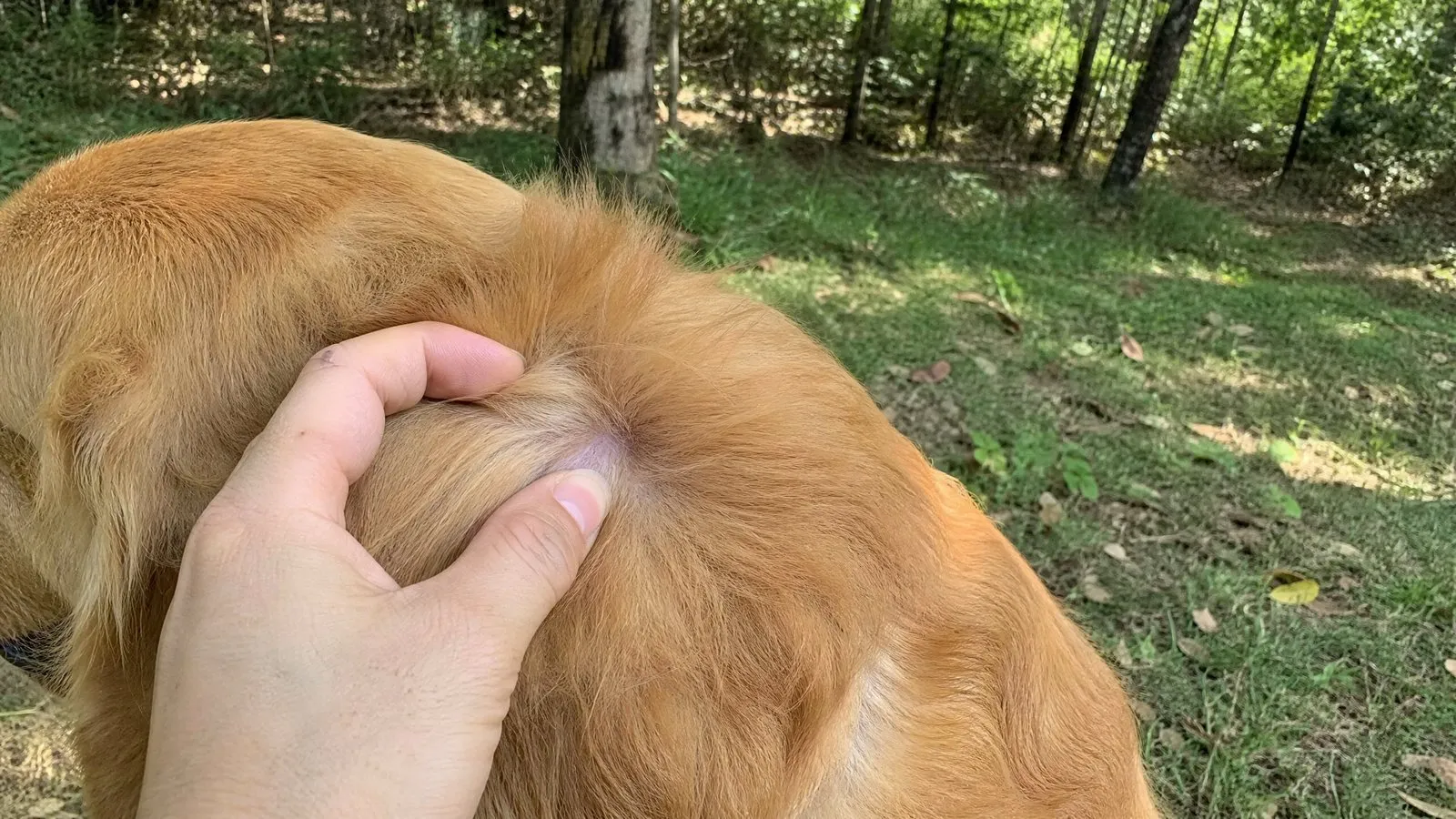
- Skin and coat for fleas, flakes, and bald patches.
- Legs, joints, and gait, plus a check that both testicles have descended in male puppies.
- Temperature, usually rectally, which takes a few seconds.
3. Parasite check
The stool sample goes to the lab (often in-house). Most puppies get a deworming treatment regardless, because worms are so common and some aren’t reliably caught on a single test. Your vet will also talk about flea, tick, and often heartworm prevention. If you want to compare the options beforehand, see flea and tick prevention for dogs.
4. Microchip
The vet scans for an existing chip. If your puppy doesn’t have one, they’ll offer to place it. It’s a quick injection between the shoulder blades. Remember that a chip only works if you register it and keep your contact details current.
5. Vaccines
Based on your puppy’s age and records, the vet gives any shots that are due and sets the dates for the next ones. Core puppy vaccines are given in a series every few weeks until about 16 weeks of age. For the full picture of what’s given when, see our puppy vaccination schedule.
6. The plan and the bill
You’ll leave with a written summary: weight, findings, what was given, when to come back, and when it’s safe to start fuller socialization and walks in public. This is the moment to ask your questions before you pay.
Typical costs
Costs vary a lot by country, city, and clinic, and prices rise over time. Use the ranges below as a rough guide, not a quote. Always ask for an estimate when you book.
| Item | Typical US range | Notes |
|---|---|---|
| First exam / consultation | $50–$100 | The visit fee itself |
| Core vaccine (per shot) | $20–$50 | Several are needed over the puppy series |
| Fecal (stool) test | $25–$55 | Checks for intestinal parasites |
| Deworming treatment | $15–$40 | Often done regardless of test |
| Microchip | $25–$60 | One-time, plus free registration |
| First visit total | $100–$300 | More if extra tests are needed |
In the UK, many clinics bundle the puppy vaccine course into a single package, and some sell annual health plans that spread the cost. Canada and Australia sit broadly in the same ballpark as the US, with rural clinics often cheaper than city ones. For the bigger picture, our first-year cost breakdown itemizes everything from food to training.
Ask whether the clinic offers a puppy package or wellness plan that groups the vaccine series, parasite control, and microchip. These often save money versus paying à la carte.
Questions to ask at the first visit
Write these down and tick them off. A good vet will welcome them.
Health and the exam
- Did you find anything you want to recheck, like a heart murmur or hernia?
- Is my puppy’s weight healthy, and are they growing normally?
- Based on the breed or size, what should I watch for as they grow?
Vaccines and prevention
- Which vaccines did you give today, and when exactly is the next one due?
- When will my puppy be fully protected and safe for walks and dog parks?
- Which flea, tick, and heartworm products do you recommend for my area, and when do I start?
Feeding
- Is the food I’m using appropriate, and how much should I feed at each stage?
- When should I move to fewer meals a day, and later to adult food?
(Our puppy feeding schedule and the guide on when to switch to adult food cover these in detail.)
Everyday care and milestones
- When do you recommend spaying or neutering for this breed and size?
- What’s safe for teething, and how do I handle the biting phase?
- What symptoms should make me call you right away versus wait and see?
- How do I reach you after hours, and which emergency clinic do you recommend?
Jot the answers directly onto your puppy’s summary sheet so everything lives in one place.
How to make the visit positive
Your puppy’s early experiences shape how they feel about the vet for years. A little effort now pays off at every future appointment. This fits neatly into your wider socialization plan.
Before you go
- Practice handling at home. Gently touch paws, ears, and mouth for a few seconds, then give a treat. Do this for a few days beforehand so being examined feels familiar.
- Get your puppy used to the carrier or car. Leave the carrier open with a blanket and treats inside so it’s a good place, not a trap. If car rides are new, our guide to car travel with a puppy covers motion sickness and safety.
- Time meals and potty. A light meal a couple of hours before helps if your puppy gets carsick, and a potty break right before you leave avoids accidents in the waiting room.
At the clinic
- Keep young, not-yet-fully-vaccinated puppies off the floor. Hold them or keep them in the carrier in the waiting area, where other dogs have been. Ask staff where it’s safe to set them down.
- Bring the good treats and feed them steadily: on the scale, on the exam table, after the vaccine. You want your puppy to decide the vet is where chicken happens.
- Stay relaxed yourself. Puppies read your tone. A calm, upbeat voice does more than you’d think.
- Let staff lead with treats and gentle restraint. Many clinics now use low-stress or “fear-free” handling, so ask if they do.
After the visit
- Expect a quiet rest. It’s normal for a puppy to be a bit sleepy or sore after shots, and to want a good nap. See how much a puppy should sleep for what’s normal at each age.
- Watch for reactions. Mild tiredness or a small lump at the injection site is common. Call your vet promptly if you see facial swelling, hives, repeated vomiting, or trouble breathing in the hours after a vaccine, as these can signal a rare allergic reaction.
A quick pre-visit checklist
Run through this the morning of the appointment:
- Paperwork and vaccine records packed.
- Fresh stool sample bagged.
- Food brand noted or photographed.
- List of questions in hand.
- High-value treats, broken small.
- Carrier with a familiar-smelling blanket.
- Potty break done just before leaving.
Get these sorted and the visit itself becomes the easy part.
FAQ
How soon after getting my puppy should I see a vet?
Within 3 to 7 days is a sensible target, and many breeder and adoption contracts require a check within a set window. Go sooner than that if your puppy shows any sign of illness, such as vomiting, diarrhea, not eating, or lethargy.
Do I really need to bring a stool sample?
Yes, if you can. Intestinal parasites are very common in puppies and often cause no obvious symptoms. A fresh sample, collected within about 12 hours and sealed in a bag, lets the clinic test on the spot and treat accurately.
Is it safe to take my puppy out before they’re fully vaccinated?
Keep them off the ground in public places and away from unknown dogs until your vet says the vaccine series offers enough protection, usually a week or two after the final puppy shots around 16 weeks. You can still socialize safely by carrying your puppy and inviting healthy, vaccinated dogs to your home.
How much should the first visit cost?
Expect roughly $100 to $300 in the US for the exam, a vaccine, a fecal test, and deworming, with a microchip adding a little more. UK clinics often bundle the vaccine course into a package. Always ask for an estimate when you book, and ask whether a puppy or wellness plan would save money.
What if my puppy is terrified at the clinic?
Bring high-value treats and feed them throughout, keep your own voice calm, and ask the staff whether they use low-stress or fear-free handling. If fear is severe, talk to your vet about a shorter “happy visit” with no procedures, or pre-visit calming options, so future appointments go more smoothly.
A note on health information: Health and nutrition guides are written against published guidance from the AAHA, WSAVA and AVMA. They are general information, not a substitute for advice from your own veterinarian. If your dog seems unwell, call your vet.