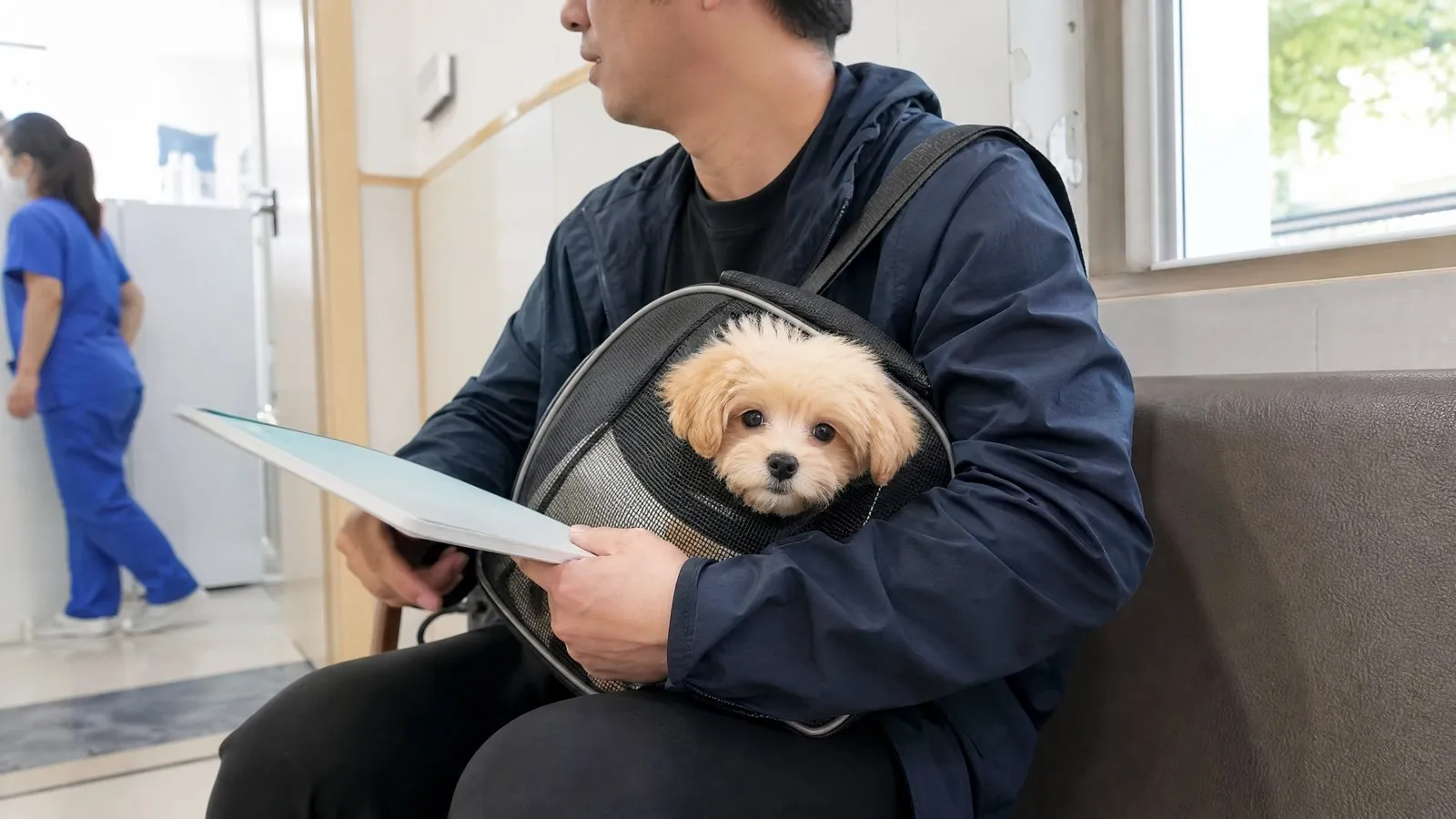
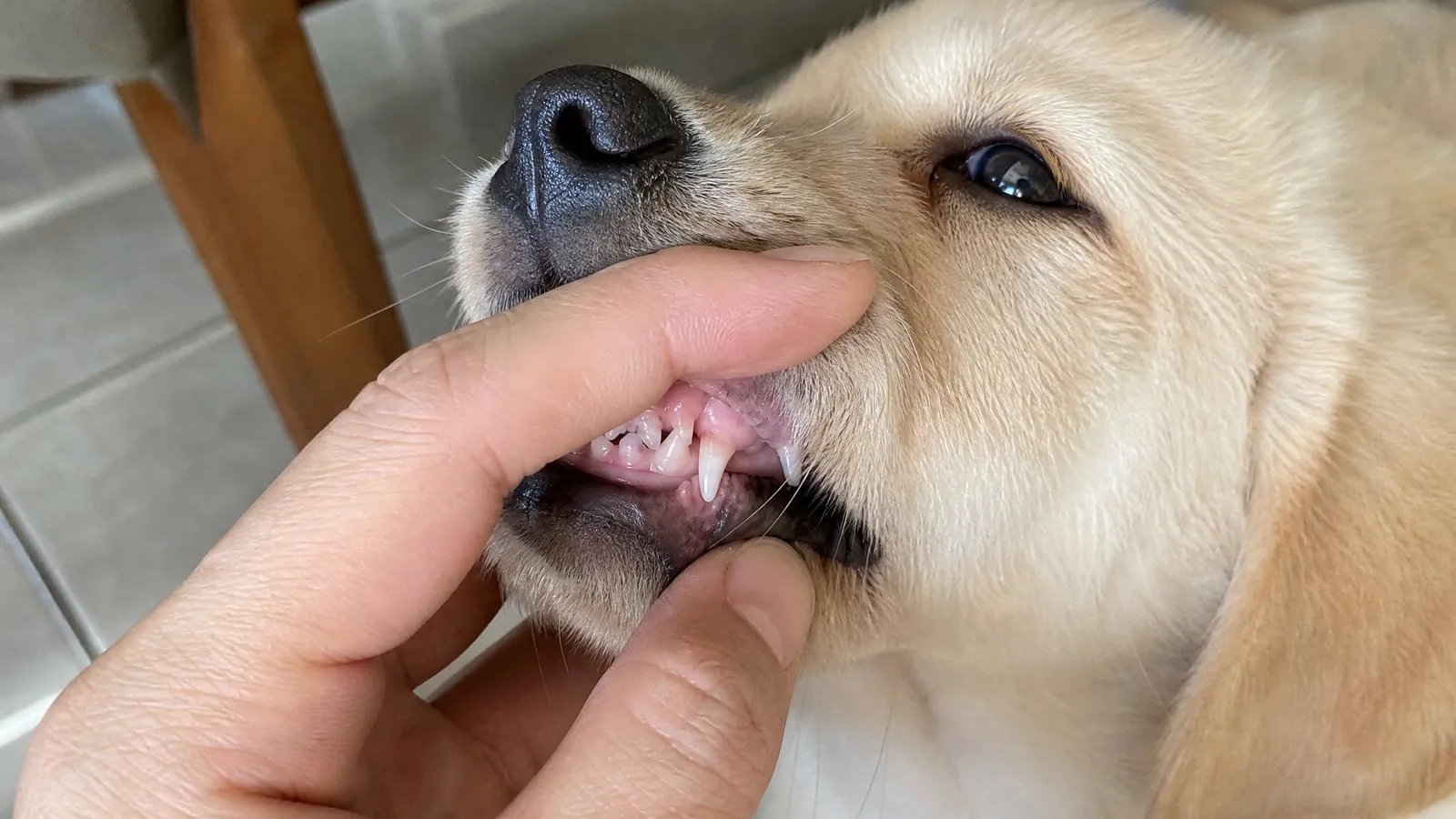
When to Spay or Neuter Your Dog: What Current Guidance Says
Spay and neuter timing now depends on your dog's adult size. Here's current AAHA-style guidance, pros and cons, recovery, and costs.
The short version: there’s no single “right age” anymore. For small dogs, spaying or neutering around six months is still common. For large and giant breeds, many veterinarians now recommend waiting until the dog has finished growing, which for large-breed males is usually around 9 to 15 months. The best timing depends on your dog’s expected adult size, sex, breed, and lifestyle, so this is a decision to make with your vet rather than by a fixed calendar date.
Below is what changed, what mainstream guidance now says, and how to weigh it for your own dog.
Why the advice shifted for large breeds
For decades, the default recommendation was simple: spay or neuter every dog at around six months. It reduced unwanted litters, it was easy to remember, and it worked well enough across the board.
In the last 10 to 15 years, research has complicated that one-size-fits-all rule, particularly for larger dogs. The hormones involved in reproduction also play a role in bone and joint development. In some large and giant breeds, removing those hormones before the growth plates close appears to be associated with a higher risk of certain orthopedic problems, such as cranial cruciate ligament (CCL) tears and hip dysplasia, and in a few breeds, certain cancers.
The key points to understand:
- The effect is size- and breed-dependent. It shows up mainly in larger dogs, not small ones.
- The research shows associations, not guarantees. Waiting does not make a dog injury-proof, and early surgery does not doom a dog to joint disease.
- Because of this, groups like the American Animal Hospital Association (AAHA) now encourage individualized timing based on the dog, rather than a blanket six-month rule.
This is why your vet may give different advice for your friend’s terrier than for your Labrador, even though both are the same age.
General guidance by expected adult size
Think of the framework below as a starting point for a conversation, not a prescription. Your vet may adjust it for your dog’s breed, sex, behavior, and household. These ranges follow the 2019 AAHA Canine Life Stage Guidelines, which split dogs at about 45 lb of expected adult weight.
| Expected adult size | Rough adult weight | Common timing guidance | Notes |
|---|---|---|---|
| Small to medium | Under ~45 lb (20 kg) | Females around 5–6 months, before the first heat; males around 6 months | Lower orthopedic concern; spaying before the first heat lowers mammary cancer risk |
| Large and giant | Over ~45 lb (20 kg) | Males after growth stops, usually around 9–15 months; females anywhere from about 5 to 15 months, decided case by case | Balances joint development against heat cycles and mammary cancer risk |
A few things to keep in mind as you read that table:
- Females add a timing wrinkle. Spaying before the first heat sharply lowers the lifetime risk of mammary (breast) cancer and eliminates the risk of pyometra, a dangerous uterine infection. For larger females, your vet may weigh that benefit against joint considerations and suggest timing the spay between heat cycles.
- Males have more flexibility. Delaying neutering in a large male is often lower-stakes than in a female, because males don’t face the pyometra or heat-related risks. The trade-off is managing intact-male behaviors and roaming while you wait.
- Breed matters within a size band. Some breeds have specific research behind them, so a breed-aware vet may fine-tune the window.
If you’re still choosing a dog or recently brought one home, our guides on adopting vs. buying a puppy and the new puppy checklist can help you line up these decisions early.
The benefits of spaying and neutering
The procedure remains one of the most common and well-understood surgeries in veterinary medicine, and the benefits are real.
For females (spaying):
- Eliminates the risk of pyometra, a life-threatening uterine infection that is common in older intact females.
- Greatly reduces the risk of mammary tumors, especially when done before the first or second heat.
- No heat cycles, which means no bleeding, no hormonal swings, and no risk of accidental pregnancy.
For males (neutering):
- Eliminates testicular cancer and reduces certain prostate problems.
- Often reduces roaming, urine marking, and some forms of hormone-driven aggression, though training still matters more than surgery for behavior.
For both:
- No unplanned litters. This is a significant population-level benefit, and many shelters and rescues require it.
- In some regions, licensing fees are lower for altered dogs.
The trade-offs and honest unknowns
Being candid about the downsides is part of making a good decision.
- Orthopedic risk in large breeds. As above, early neutering may modestly raise the risk of some joint problems in bigger dogs. “Modest” is the key word, and it varies by breed.
- Weight gain. Altered dogs have slightly lower energy needs. Without a small adjustment to food, they can gain weight. You can manage this easily by monitoring body condition and tweaking portions; our guide to how much to feed a puppy and the puppy food calculator can help.
- Surgical and anesthetic risk. Any surgery carries some risk. For healthy young dogs, it is low, but it is not zero, which is why a pre-surgical exam and sometimes bloodwork are standard.
- Behavior is not a magic fix. Neutering can reduce some hormone-driven behaviors, but it won’t resolve fear, reactivity, or poor manners. Those need training and, sometimes, professional help.
For intact dogs you’re choosing to wait on, you’ll need a plan to prevent accidental litters and roaming. That means secure fencing, leashed walks during a female’s heat, and avoiding off-leash dog parks at those times.
What the surgery and recovery actually look like
Knowing the day-of and week-after routine takes a lot of the anxiety out of it.
Before surgery
- Your vet will do a physical exam and may run bloodwork, especially for older dogs.
- You’ll usually be asked to withhold food the night before (follow your clinic’s exact instructions; water rules vary).
- Most spays and neuters are same-day procedures. Your dog goes home that afternoon or evening.
The first 24 hours
- Expect grogginess from anesthesia. Some dogs are wobbly, quiet, or uninterested in food that first evening. Offer a small, light meal.
- Keep things calm and warm. A quiet, confined space helps; if your dog is crate-trained, this is where that pays off (see crate training).
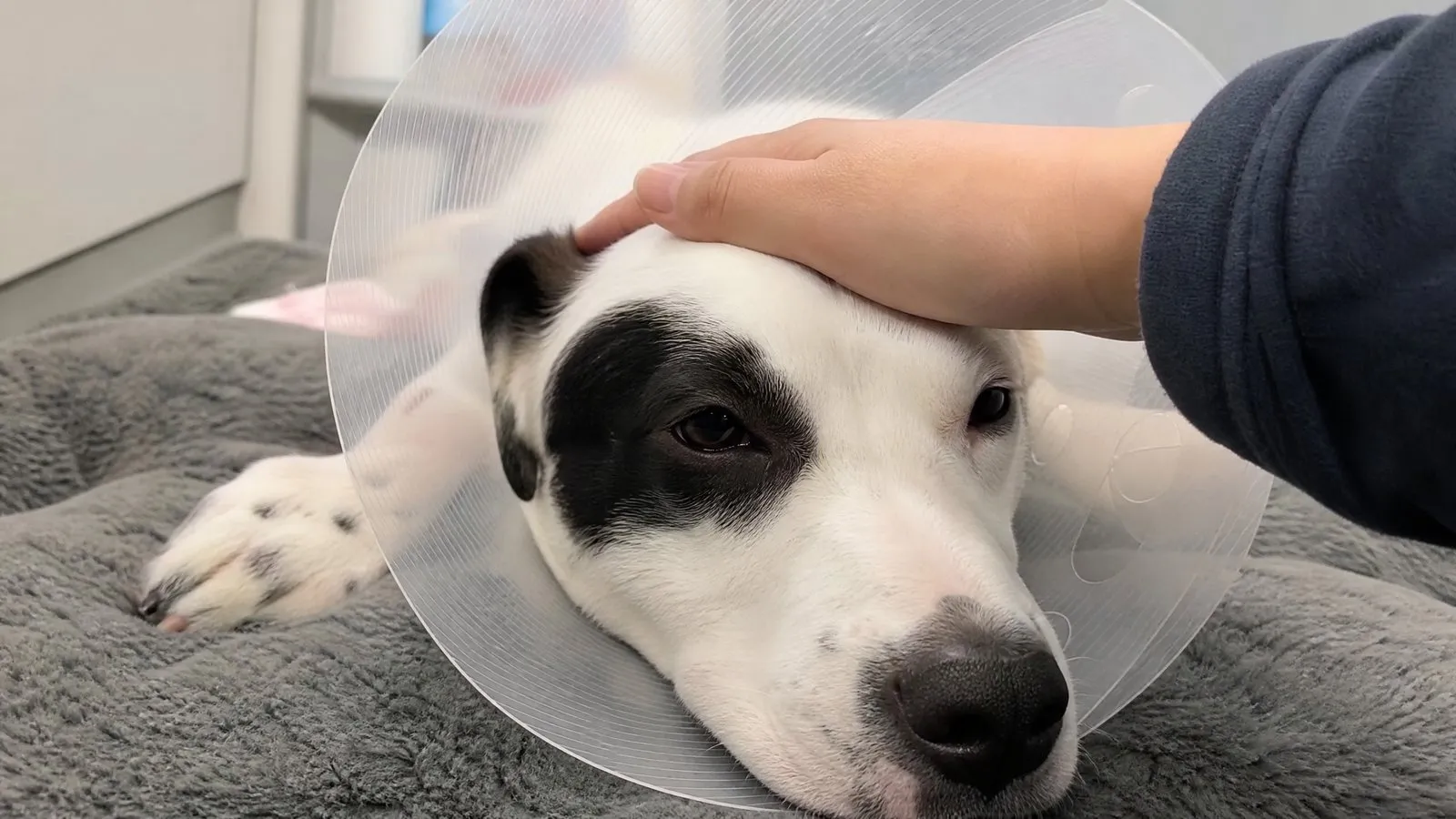
- Your dog will likely go home with an e-collar (the cone) or a recovery suit to stop licking. Keep it on. Licking is the most common cause of complications.
Days 1 to 14
This is the real recovery window, and the main job is simple: keep your dog quiet.
- No running, jumping, or rough play for about 10 to 14 days. This matters more than owners expect, because a dog who feels fine will happily reopen an incision.
- Short leashed potty breaks only. No off-leash time, no stairs if you can avoid them, no dog park.
- Check the incision twice a day. A thin line, mild bruising, and slight swelling are normal.
- Keep it dry. No baths or swimming until your vet clears it, usually after the recheck or suture removal.
- Neuter incisions in males are typically smaller and heal a little faster; spay incisions in females involve the abdominal wall and need the same careful rest.
When to call the vet
Contact your clinic promptly if you see:
- Redness that’s spreading, heat, or discharge (especially pus) from the incision.
- The incision opening, or swelling that’s growing rather than shrinking.
- Your dog won’t eat for more than about 24 hours, is vomiting, or seems lethargic beyond the first day.
- Signs of pain that aren’t controlled by prescribed medication.
When in doubt, call. Clinics expect these questions, and it’s always better to check early. Our guide on warning signs your puppy needs a vet today covers the broader red flags too.
Cost ranges
Prices vary widely by country, region, clinic type, and your dog’s size and sex (spays cost more than neuters because they’re more involved). Low-cost and nonprofit clinics sit at the bottom of these ranges; full-service private hospitals with pre-op bloodwork, IV fluids, and pain packages sit higher.
| Country | Typical range | Notes |
|---|---|---|
| United States | $50–$150 at low-cost clinics; $250–$600+ at private practices | Giant breeds and complex spays cost more |
| United Kingdom | £100–£300+ | Charity clinics may offer reduced rates by eligibility |
| Canada | C$200–$600+ | Varies by province and clinic |
| Australia | A$200–$600+ | Council registration is often cheaper for desexed dogs |
Ways to reduce cost without cutting corners:
- Ask about low-cost or nonprofit spay/neuter clinics in your area. Many shelters run them.
- If you adopted, check whether the surgery is already included or vouchered by the rescue.
- Ask your vet exactly what’s in the quote (bloodwork, pain meds, e-collar, recheck) so you’re comparing like for like.
Spay/neuter is one line in a bigger first-year budget; our itemized first-year cost guide puts it in context alongside vaccines, food, and gear.
How to decide with your vet
Bring these questions to your appointment:
- What’s my dog’s expected adult size and breed risk profile? This drives the timing more than anything.
- For a female: do you recommend spaying before the first heat, or timing it around her cycles? Ask how they weigh mammary cancer and pyometra risk against orthopedic considerations.
- For a large male: is there a benefit to waiting until growth plates close, and how will we manage behavior in the meantime?
- What’s included in the price, and will you run pre-op bloodwork?
- What’s your recovery protocol and recheck schedule?
Then make the call together. A good vet will tailor the plan to your specific dog, not hand you a fixed date. If you want to understand your dog’s maturity better, our dog age calculator gives a rough sense of life stage.
FAQ
Is it ever too late to spay or neuter an adult dog?
No. Healthy adult and even senior dogs are routinely spayed and neutered. Older dogs may need more thorough pre-surgical screening, and recovery can be a touch slower, but age alone is rarely a reason not to do it. Your vet will assess fitness for anesthesia individually.
Will neutering calm my dog down or fix behavior problems?
Sometimes a little, but don’t count on it. Neutering can reduce hormone-driven behaviors like roaming and marking in males. It won’t fix fear, reactivity, leash pulling, or excitement; those respond to training and, if needed, a behavior professional. Treat surgery and training as separate projects.
Does my dog need to have one litter or one heat first?
No. There’s no proven health or behavioral benefit to letting a female have a litter or go through a heat before spaying. In fact, spaying before the first heat offers the greatest reduction in mammary cancer risk. The main reason to delay is the orthopedic consideration in larger breeds, which your vet will weigh.
How long does recovery really take?
Plan for about 10 to 14 days of restricted activity, which is the critical window for incision healing. Most dogs feel normal within a day or two, which is exactly why owners have to enforce the rest. Your vet will usually schedule a recheck and clear your dog for normal activity, baths, and swimming at that point.
My dog seems fine the next day. Can I let them play?
No, and this is the most common mistake. A dog that feels great will run and jump and risk reopening the incision, which can turn a routine recovery into a second surgery. Keep activity to short leashed potty breaks and calm indoor time until your vet gives the all-clear.
A note on health information: Health and nutrition guides are written against published guidance from the AAHA, WSAVA and AVMA. They are general information, not a substitute for advice from your own veterinarian. If your dog seems unwell, call your vet.